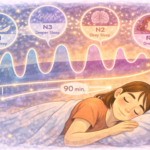
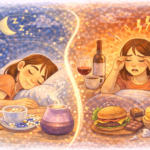
What you eat in the evening can have a powerful effect on how well you sleep. While sleep is influenced by stress, routines, and environment, nutrition plays a quieter but equally important role. Certain foods can interfere with digestion, blood sugar balance, and melatonin production, making it harder to fall or stay asleep. Others may support relaxation and healthy sleep cycles. Research from Harvard Health, the National Institutes of Health, the American Psychological Association, and the Sleep Foundation shows that evening nutrition can meaningfully influence sleep quality.
Understanding which foods to avoid—and which to choose—can help create a calmer, more restorative night.
If you are working on improving sleep overall, you may also find this helpful:
Sleep Hygiene Tips for a More Restful Night
How Food Influences Sleep
Sleep is regulated by hormones, digestion, and the nervous system.
Eating affects all three.
Heavy or stimulating foods can activate the body when it should be winding down.
NIH research shows that digestion and sleep compete for energy resources.
The Role of Circadian Rhythm and Digestion
The circadian rhythm influences not only sleep but digestion.
In the evening, digestion naturally slows.
Large or complex meals can strain the system.
This can lead to discomfort and fragmented sleep.
Evening Foods That Can Disrupt Sleep
Some foods are more likely to interfere with restful sleep.
Caffeinated Foods and Drinks
Caffeine is a stimulant.
It blocks adenosine, a chemical that promotes sleepiness.
Even small amounts in the evening can delay sleep.
Common evening sources include:
- coffee and espresso-based drinks
- energy drinks
- dark chocolate
- some teas
Harvard research shows caffeine can affect sleep for up to eight hours.
Sugary Snacks and Desserts
Sugar causes rapid blood sugar spikes.
This can lead to energy surges followed by crashes.
Blood sugar instability disrupts sleep cycles.
Sleep Foundation research links high evening sugar intake to lighter, less restorative sleep.
Heavy or High-Fat Meals
High-fat foods take longer to digest.
Late-night heavy meals keep the digestive system active.
This can interfere with deep sleep.
Examples include:
- fried foods
- fast food
- rich sauces
Spicy Foods
Spicy foods can raise body temperature.
They may also trigger heartburn or acid reflux.
Both disrupt sleep onset.
NIH research links nighttime reflux to frequent awakenings.
Alcohol and Sleep Quality
Alcohol may feel relaxing.
However, it disrupts REM sleep.
APA research shows alcohol fragments sleep later in the night.
This leads to less restorative rest.
Foods That May Improve Sleep
Some foods support relaxation and sleep-related hormones.
Complex Carbohydrates
Complex carbs support serotonin production.
Serotonin is a precursor to melatonin.
Examples include:
- oats
- brown rice
- whole-grain toast
Small portions in the evening may support sleepiness.
Foods Rich in Tryptophan
Tryptophan is an amino acid involved in melatonin production.
Foods containing tryptophan include:
- turkey
- eggs
- nuts and seeds
- dairy products
Sleep Foundation notes that tryptophan-rich foods may support sleep when eaten moderately.
Magnesium-Rich Foods
Magnesium supports muscle relaxation and nervous system calm.
Low magnesium levels are linked to sleep disturbances.
Foods rich in magnesium include:
- leafy greens
- almonds
- pumpkin seeds
NIH research supports magnesium’s role in sleep regulation.
Herbal Teas for Evening Calm
Herbal teas are naturally caffeine-free.
Chamomile, valerian, and lemon balm are commonly used.
They may support relaxation and sleep readiness.
Related reading:
Herbal Teas for Calm and Clarity
Timing Matters as Much as Food Choice
Eating too close to bedtime can disrupt sleep.
Allowing two to three hours between dinner and sleep supports digestion.
This reduces nighttime discomfort.
Light Evening Snacks vs Heavy Meals
Large meals stress digestion.
If hunger appears later, a light snack is preferable.
Balanced snacks include protein and complex carbs.
Hydration and Sleep
Hydration supports overall health.
However, excessive fluid intake before bed may cause nighttime awakenings.
Balancing hydration earlier in the day supports sleep continuity.
Individual Sensitivities Matter
Responses to food vary.
Some people are more sensitive to caffeine or sugar.
Self-awareness helps identify triggers.
Food, Stress, and Sleep
Stress affects digestion.
Stress-related eating late at night may disrupt sleep.
Mindful eating supports relaxation.
Related reading:
Emotional Eating and How to Break the Cycle
Evening Eating and Blood Sugar Balance
Blood sugar stability supports sleep.
Large sugar swings increase nighttime awakenings.
Balanced meals reduce this risk.
Foods and Melatonin Production
Some foods contain melatonin or support its production.
Examples include tart cherries, oats, and walnuts.
These may gently support sleep onset.
Creating a Sleep-Supportive Evening Routine
Food choices work best within a calming routine.
Combining gentle nutrition with consistent habits improves outcomes.
Related reading:
Evening Routines That Promote a Calm Mind
Common Myths About Evening Eating
- Myth: Eating late always causes weight gain
Reality: Quality and quantity matter more - Myth: All snacks ruin sleep
Reality: Light, balanced snacks may help - Myth: Alcohol improves sleep
Reality: It disrupts sleep architecture
When Evening Food Issues Persist
Ongoing sleep problems may indicate deeper issues.
NIH recommends professional guidance if sleep disruption continues.
Nutrition is one piece of the puzzle.
Final Thoughts
Evening foods can either support or disrupt sleep depending on their composition, timing, and individual sensitivity.
Choosing lighter, balanced options and avoiding stimulants late in the day can improve sleep quality.
Small nutritional adjustments often lead to meaningful improvements in rest.
Better sleep begins with gentle, informed choices.
More sleep and restoration resources from MindBloomDaily:
Why You Might Be Struggling to Sleep
How to Create a Sleep-Inducing Environment