Napping can feel like a gift or a gamble. For some people, a short nap restores energy and focus. For others, it leads to grogginess, disrupted sleep, or difficulty falling asleep at night. Whether napping is helpful or harmful depends on timing, duration, individual sleep needs, and overall lifestyle. Research from Harvard Health, the National Institutes of Health, the American Psychological Association, and the Sleep Foundation shows that naps can support mental performance—or interfere with restorative nighttime sleep—depending on how they are used.
Napping is not inherently good or bad. Understanding how the brain and body respond to daytime sleep helps determine whether a nap will sharpen the mind or create unintended fatigue.
If you’re working on improving rest and focus, you may also find this helpful:
The Science of Sleep Cycles
Why Humans Feel the Urge to Nap
Humans naturally experience dips in alertness.
One common dip occurs in the early afternoon, often between 1 and 3 p.m.
This is partly driven by circadian rhythms and post-meal metabolic changes.
NIH research shows that this drop in alertness is biological—not a sign of laziness.
What Happens in the Brain During a Nap
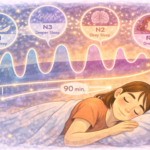
During sleep, the brain shifts into different stages.
Short naps usually involve light sleep.
Longer naps may enter deeper stages.
Each stage affects alertness differently.
The Benefits of Short Naps
Short naps—typically 10 to 30 minutes—can improve:
- alertness
- reaction time
- mood
- mental clarity
Harvard research shows that brief naps can restore focus without causing grogginess.
Naps and Mental Performance
When sleep-deprived, the brain struggles with attention and decision-making.
Short naps can temporarily compensate for lost sleep.
APA research shows that naps may improve cognitive flexibility and emotional regulation.
They act as a mental reset.
The Power of the 20-Minute Nap
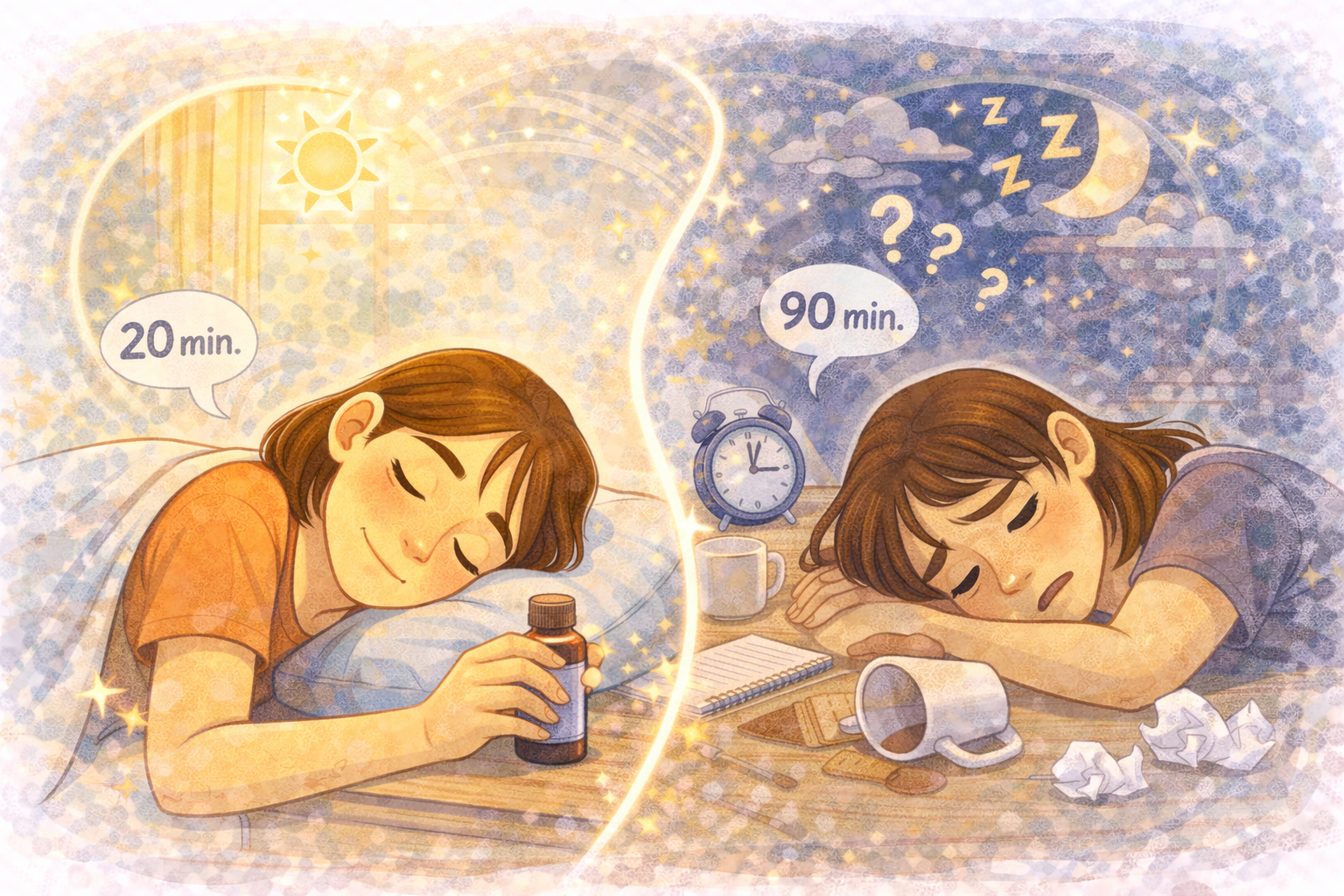
Sleep experts often recommend a 20-minute nap.
This duration allows light sleep without entering deep sleep.
Waking from light sleep reduces sleep inertia.
This makes the nap refreshing rather than disorienting.
What Is Sleep Inertia?
Sleep inertia is the groggy, heavy feeling after waking from deep sleep.
It can impair focus and coordination.
Long naps increase the risk of sleep inertia.
This is one reason some naps feel worse than no nap at all.
When Napping Becomes Harmful
Napping may be harmful when it:
- lasts too long
- occurs too late in the day
- replaces nighttime sleep
- masks chronic sleep deprivation
Sleep Foundation research shows late or extended naps can disrupt nighttime sleep cycles.
Naps and Nighttime Sleep Quality
Nighttime sleep is the foundation of health.
Frequent long naps reduce sleep pressure.
This makes it harder to fall asleep at night.
NIH research links irregular napping to insomnia symptoms.
The Timing of a Nap Matters
Early afternoon naps are less disruptive.
Napping after 4 p.m. increases the risk of nighttime sleep issues.
Aligning naps with natural circadian dips improves outcomes.
Napping and Mental Clarity
Short naps can improve mental clarity.
They reduce cognitive overload.
However, frequent long naps may increase mental fog.
Related reading:
Brain Fog Explained: Causes & Relief
Napping for Stress Recovery
Stress increases mental fatigue.
Short naps may help regulate stress responses.
APA research shows that rest supports emotional regulation.
Naps can be a stress buffer—not a stress solution.
Napping vs. Mindful Rest
Not all rest requires sleep.
Mindful rest includes lying down, breathing deeply, or closing the eyes.
These practices restore energy without affecting sleep cycles.
Related reading:
Body Scan Meditation Explained
Who Benefits Most From Napping?
Naps may be especially helpful for:
- shift workers
- parents of young children
- individuals with temporary sleep loss
- people in high-cognitive-demand roles
Context matters.
Who Should Be Cautious With Naps?
People with insomnia may find naps worsen sleep issues.
Frequent napping can reduce nighttime sleep drive.
Sleep specialists often recommend limiting naps for chronic insomnia.
Napping and Emotional Regulation
Sleep deprivation heightens emotional reactivity.
Short naps can stabilize mood.
However, irregular sleep patterns may increase emotional instability.
Balance is key.
Power Naps vs. Long Naps
Power naps are intentional and brief.
Long naps are often unplanned.
Power naps support performance.
Long naps increase disruption risk.
How to Nap the Right Way
Helpful nap guidelines include:
- keep naps under 30 minutes
- nap early in the afternoon
- nap in a quiet, dim space
- avoid naps after poor nighttime sleep patterns
Intentional napping produces better outcomes.
Naps and Productivity
Short naps may improve productivity by restoring focus.
They prevent mistakes caused by fatigue.
Stanford research links rest breaks to improved cognitive performance.
Common Myths About Napping
- Myth: Napping is lazy
Reality: It is biologically driven - Myth: Longer naps are better
Reality: Short naps are usually more effective - Myth: Everyone should nap
Reality: Individual sleep needs differ
Alternatives to Napping
If naps interfere with sleep, alternatives include:
- walking outdoors
- hydration
- light movement
- breathing exercises
Related reading:
How Nature Exposure Affects Your Brain
Napping and Long-Term Health
Occasional short naps are generally safe.
Excessive daytime sleepiness may signal sleep disorders.
NIH recommends consulting a professional if fatigue persists.
Listening to Your Body
Energy needs vary.
Pay attention to how naps affect you.
Self-awareness helps determine whether naps support or hinder wellbeing.
Final Thoughts
Napping can be helpful or harmful depending on how it is used.
Short, early naps may restore alertness and focus.
Long or late naps may interfere with restorative nighttime sleep.
The goal is not more sleep—but better sleep.
When naps are intentional and limited, they can be a powerful tool for mental clarity.
More sleep and restoration resources from MindBloomDaily:
Sleep Hygiene Tips for a More Restful Night
Why You Might Be Struggling to Sleep