Some people seem to move through the day with steady focus. They make clear decisions, finish deep work, and still have enough mental space left for family, hobbies, and rest. It’s easy to assume they’re simply more disciplined or naturally energetic—but in reality, many high performers are not just managing their time. They’re managing their mental energy.
Mental energy is the fuel behind your focus, creativity, emotional control, and ability to keep going when things become mentally demanding. Instead of asking, “How much can I squeeze into a day?” high performers quietly ask, “How can I protect and direct my mind so it works at its best?”
This article explores how high performers manage their mental energy in practical, realistic ways. We’ll look at research-backed strategies to help you protect your focus, reduce unnecessary mental drains, and build a daily rhythm that supports clear thinking—without relying on endless caffeine or willpower alone.
Understanding Mental Energy: More Than Just “Willpower”
Research from the American Psychological Association – Willpower and Self-Control Overview suggests that self-control is not just about moral strength; it’s deeply connected to how mentally depleted or refreshed a person feels. When your mental energy is low, tasks feel heavier, decisions are harder, and small frustrations are more likely to derail your focus.
Mental energy is shaped by several factors, including:
- Sleep quality and circadian rhythms
- Nutrition and blood sugar stability
- Stress levels and emotional load
- Cognitive demands (how much deep thinking you’re doing)
- Environmental distractions and interruptions
High performers recognize that these factors are not random. They are levers. Instead of pushing harder when their mind is tired, they design their day to match tasks with their natural energy patterns and use small habits to refill their mental tank.
For a deeper dive into mental clarity itself, you may also like: 10 Daily Habits That May Support Mental Clarity.
They Start by Protecting Their “Prime Focus Hours”
Most people have certain hours in the day when their mind feels naturally sharper. For many, this is the morning period after waking and moving a little. For others, it might be late morning or early afternoon. High performers treat these “prime focus hours” as something worth guarding.
During this window, they typically:
- Work on their most demanding tasks (deep thinking, strategy, problem-solving)
- Avoid scheduling unnecessary meetings
- Mute non-essential notifications and distractions
- Batch shallow tasks like email and admin for later
Instead of reacting to every message that appears, they create a small, protected bubble of deep work time. This is not about perfection; it’s about intention. Even 60–90 minutes of protected focus can significantly improve what gets done that day.
This approach aligns with the idea of single-tasking. For more on that concept, you can explore: The Power of Single-Tasking Over Multitasking.
They Manage Their Attention, Not Just Their To-Do List
Long task lists can feel productive, but they often hide a key reality: your brain has limits. High performers don’t just ask, “What do I need to do?” They also ask, “What deserves my best attention today?”
Some of the ways they manage attention include:
- Prioritizing no more than 1–3 truly important tasks for the day instead of trying to do everything with equal intensity.
- Using simple focus methods such as setting a timer for deep work and taking short breaks in between, rather than working non-stop until exhausted.
- Breaking big tasks into smaller, clear steps to reduce mental friction and overwhelm.
By respecting their attention as a limited resource, they avoid scattering it across dozens of low-impact activities. This protects mental energy and increases the sense of satisfaction at the end of the day.
If you’re interested in improving your attention without relying on stimulants, you may enjoy: Simple Ways to Improve Focus Without Caffeine.
They Use Mindful Breaks Instead of Mindless Escapes
When mental energy dips, many people instinctively scroll, snack, or jump between tabs. These behaviors can feel like rest, but they often overstimulate the brain instead of truly recharging it.
Research from the American Psychological Association – Mental Breaks and Performance Review notes that short, intentional breaks can improve sustained attention and reduce mental fatigue. The key is the quality of the break, not just its length.
High performers often choose breaks that calm the nervous system instead of overstimulating it, such as:
- Stepping outside for a few minutes of fresh air and natural light
- Practicing a short breathing exercise to reset the mind
- Standing, stretching, and changing body posture
- Taking a brief walk without their phone
These small pauses help the brain clear mental residue from the last task and prepare for the next one. Over the course of a full workday, mindful breaks protect mental energy far better than constant online stimulation.
To learn more about how breathing techniques can calm and refocus the mind, you might like: How Deep Breathing Can Help Calm the Mind.
They Create Clear Boundaries for Digital Distraction
Notifications, messages, and alerts can fragment attention throughout the day. Each small interruption uses up a bit of mental energy—even if you only glance at it for a second. High performers are rarely available to everything, all the time.
Some of the ways they protect their mental energy from digital clutter include:
- Checking email or messaging apps in set blocks instead of constantly.
- Turning off non-essential notifications on their phone and computer.
- Keeping their most distracting apps off the home screen, or using app limits during working hours.
- Setting a digital “curfew” so the mind has time to wind down before sleep.
Research from the National Institutes of Health – Multitasking and Media Use Review has suggested that heavy multitasking with digital media is associated with reduced attention and lower cognitive control. High performers recognize this and deliberately simplify what their brain has to process.
For more ideas on managing your digital environment, you can read: Reducing Screen Time Without Feeling Deprived and How Notifications Fragment Your Focus.
They Support Mental Energy with Sleep and Recovery
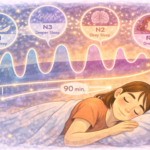
No amount of productivity hacks can replace the impact of consistent, restorative sleep. High performers tend to treat sleep as a performance tool, not a luxury. They understand that poor sleep doesn’t just cause tiredness; it directly affects attention, memory, emotional regulation, and decision-making.
Research from the Sleep Foundation – Why We Need Sleep Overview highlights that sleep supports brain cleansing processes, emotional processing, and learning consolidation. In simple terms, sleep helps clear mental “clutter” and prepares the brain for another day of focused work.
High performers often support sleep and recovery by:
- Keeping a relatively consistent bedtime and wake time
- Creating a wind-down routine that signals the brain it’s time to rest
- Reducing bright screen exposure close to bedtime
- Avoiding large heavy meals or stimulants late at night
Even small improvements—such as a slightly earlier bedtime or fewer late-night scroll sessions—can significantly improve mental energy the next day.
If sleep has been a struggle, you may find this helpful: Why You Might Be Struggling to Sleep (And Small Fixes That May Help).
They Pay Attention to Blood Sugar and Nutrition
That mid-afternoon crash is not always a mystery. Dramatic swings in blood sugar can leave you feeling foggy, irritable, and unfocused. High performers are not necessarily perfect eaters, but they are usually aware of how different meals affect their mind.
Research summarized by the Harvard T.H. Chan School of Public Health – Carbohydrates and Blood Sugar Overview explains how highly refined carbohydrates can cause rapid spikes and drops in blood sugar, which may contribute to fluctuations in energy and mood.
To stabilize mental energy, high performers often:
- Include a balance of protein, healthy fats, and fiber at meals
- Avoid relying solely on sugary snacks for quick energy
- Stay hydrated throughout the day
- Use caffeine strategically instead of constantly
A more balanced breakfast and steady meals can create a calm, sustained mental state instead of peaks and crashes. For more ideas, you can explore: Balanced Breakfast Ideas for Mental Clarity and Foods That Are Linked to Better Mood and Energy.
They Set Boundaries to Protect Their Emotional Bandwidth
Mental energy is not only used by tasks and screens; it is also shaped by conversations, expectations, and emotional dynamics. High performers tend to be mindful of where their emotional energy goes, not just their time.
They might:
- Limit involvement in unnecessary conflicts or drama
- Say “no” to requests that don’t align with their priorities
- Schedule time for deep work when they are less likely to be interrupted
- Communicate clearly around availability and response times
These boundaries are not about being selfish; they are about recognizing that constantly saying “yes” can slowly drain the mental energy needed for what truly matters.
If learning to say no feels uncomfortable, this piece may be helpful: When to Say “No” to Protect Your Peace and for emotional resilience, see Building Emotional Resilience.
They Use Reflection to Notice What Drains or Refuels Them
No two people have identical mental energy patterns. High performers often take time to notice what specifically drains or refuels their mind. This self-awareness allows them to adjust instead of repeating the same exhausting patterns.
Simple reflection questions might include:
- At what time of day do I feel most mentally fresh?
- Which tasks leave me feeling energized afterward?
- Which tasks or interactions consistently drain me?
- What kind of break actually helps me reset?
Some people use journaling to track this over time. Over a few weeks, patterns usually appear—certain meetings, tasks, or habits clearly affect mental energy. High performers use this information to redesign their schedules, even in small ways, so that their mind is working with them, not against them.
For support in using journaling to understand yourself better, you might enjoy: Journaling Prompts for Self-Discovery.
They Don’t Treat Overthinking as “Just the Way They Are”
Overthinking can silently drain mental energy. Constantly replaying conversations, worrying about outcomes, or second-guessing decisions leaves less capacity for purposeful focus. High performers are not immune to overthinking, but they tend to work with it instead of surrendering to it.
They may:
- Set a time limit for certain decisions instead of endlessly revisiting them
- Use written pros and cons to move the decision out of their head and onto paper
- Practice grounding techniques when their mind starts looping
- Ask, “Is this thought helpful right now?” and gently redirect when it’s not
By noticing when their mind is spiraling, they can shift into action or calming practices instead of staying stuck in mental noise.
If overthinking is a frequent challenge, consider reading: The Psychology of Overthinking — And How to Manage It.
They Build Systems Instead of Relying on Memory Alone
Trying to remember every task, idea, and commitment can quietly exhaust the brain. High performers tend to offload a lot of this mental load into simple systems—notes, calendars, reminders, or task managers. This is not about being perfectly organized; it’s about not expecting the brain to be a flawless storage device.
Some of these systems include:
- A daily or weekly planning ritual where they review key priorities
- Using a single trusted place to capture tasks (instead of sticky notes everywhere)
- Keeping a running list of ideas so they don’t have to hold them in working memory
- Scheduling focus blocks for big projects instead of hoping to “find time”
By having external systems, they free mental energy for thinking, creating, and connecting—not just remembering.
To dive deeper into planning and structure, you may like: Weekly Planning: Why It Matters and Creating a Personal Focus System.
Final Thoughts: Mental Energy as a Daily Practice
High performers are not superhuman. Their minds get tired, they have off days, and they feel stress like everyone else. The difference is that they pay attention to how their mental energy is spent and replenished. They understand that a sharp, steady mind is built through daily decisions—not just big goals.
By protecting your prime focus hours, taking mindful breaks, setting digital and emotional boundaries, supporting your body with sleep and balanced nutrition, and using simple systems, you can gradually build a life that supports clearer thinking and more sustainable productivity.
You do not need to implement everything at once. Even one or two small changes—such as a short daily deep work block or a more intentional evening routine—can begin to shift how your mind feels every day. Over time, these small practices compound, and managing your mental energy becomes less of a struggle and more of a natural part of how you live and work.
More to Clear Your Mind:
Mental Clarity Morning Routine
How to Stay Consistent with New Habits