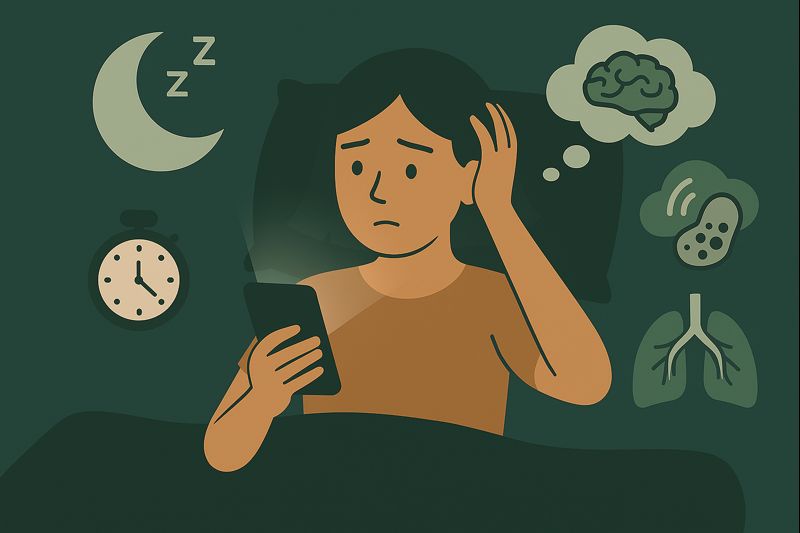
Many people end their day scrolling through social media, watching videos, replying to messages, or catching up on work. While this feels relaxing in the moment, research shows that screen time — especially in the evening — can significantly disrupt sleep quality. Studies from the Harvard Medical School, Stanford University, the American Psychological Association, and the National Institutes of Health shows that blue light exposure, digital stimulation, and nighttime notifications interfere with the brain’s ability to unwind and fall asleep naturally.
Sleep is not just a physical rest period — it is a neurological process controlled by hormones, circadian rhythms, and signals of safety and stillness. Screens disrupt nearly all of these systems. This article explores how screen time affects sleep quality, why it impacts mental health, and how you can build healthier nighttime digital habits.
Why Screen Time Interferes With Sleep
To understand why screens affect sleep, it helps to know how the brain prepares for rest. As evening approaches, the body begins producing melatonin, a hormone that signals it’s time to sleep. Light — especially blue light — suppresses melatonin production, sending the opposite message: stay awake.
Harvard researchers found that blue light from phones, tablets, and TVs suppresses melatonin twice as much as other wavelengths. This makes it harder to fall asleep and reduces overall sleep quality.
Screen time disrupts sleep through:
- Blue light exposure that delays sleep signals
- Notifications that activate the stress response
- Cognitive overstimulation from scrolling or watching videos
- Emotional triggers from social media
- Delayed circadian rhythm
If you’re working on reducing screen-related overwhelm, this article may also help: Reducing Screen Time Without Feeling Deprived.
Blue Light and the Brain’s Sleep-Wake Cycle
Blue light affects a part of the brain called the suprachiasmatic nucleus (SCN) — the region responsible for regulating circadian rhythm. When blue light enters the eyes, the SCN interprets it as daytime, even if it’s late at night.
This leads to:
- Delayed melatonin release
- Difficulty falling asleep
- Shallower sleep stages
- Morning grogginess
Harvard Health reports that individuals exposed to blue light before bed take longer to fall asleep and feel less rested the next morning — even if they sleep the same number of hours.
If you’re building a more calming nighttime routine, this related guide may support you: Evening Routines That Promote a Calm Mind.
How Screens Keep the Brain “On Alert”
It isn’t just blue light that affects sleep — the content itself stimulates the brain. Scrolling, watching videos, or reading emotionally charged posts keeps the mind in an active state.
The American Psychological Association explains that digital stimulation triggers dopamine, the reward chemical, which encourages “just one more scroll.” This keeps the brain alert instead of winding down.
Screens trigger:
- Increased cognitive load
- Emotional arousal from news or messages
- Heightened vigilance from unpredictable notifications
- Stress responses linked to comparison or information overload
This alertness makes it difficult to transition into a relaxed, sleep-ready state — even after you put the device away.
The Impact on Melatonin and Hormones
The body relies on hormonal shifts to transition into sleep. Melatonin rises naturally in dim light, signaling the brain to slow down. Cortisol, the stress hormone, should drop in the evening.
Screen time interferes with this balance:
- Blue light suppresses melatonin
- Notifications trigger cortisol spikes
- Digital multitasking increases stress hormones
- Content consumption delays the body’s internal clock
NIH research shows that nighttime screen exposure can shift circadian rhythms by more than an hour, leading to chronic sleep deprivation.
How Social Media Increases Nighttime Anxiety
Social media is one of the most stimulating forms of screen time. Emotional content — whether positive or negative — keeps the brain active. Research from Stanford shows that social media increases emotional reactivity, which interferes with the ability to relax.
Common triggers include:
- Comparison or self-doubt
- Fear of missing out
- Stress from world news
- Information overload
This emotional tension often resurfaces when trying to fall asleep.
If you’re working on calming nighttime thoughts, explore: How Journaling Before Bed Can Relax Your Mind.
Screens and Overstimulation Before Bed
Overstimulation is one of the biggest contributors to poor sleep. Screens create a fast-paced stream of images, sounds, and information that the brain must quickly process.
This leads to:
- Mental exhaustion without true relaxation
- Racing thoughts
- Difficulty slowing the mind
- Restless sleep
To understand how overstimulation affects anxiety and calm, you may find this helpful: Breathing Patterns to Calm an Anxious Mind.
The Connection Between Screen Time and Insomnia
High screen use — especially in the hour before bed — is strongly associated with insomnia symptoms. NIH and Sleep Foundation research found that people who use screens late at night experience:
- Longer time to fall asleep
- Shorter sleep duration
- Poorer sleep efficiency
- More frequent awakenings
Teens and young adults, who often use screens heavily, are especially vulnerable to circadian rhythm disruptions.
Building a calmer sleep routine can support recovery. Learn more here: Sleep Hygiene Tips for a More Restful Night.
How Screen Time Affects Your Dreams and Sleep Stages
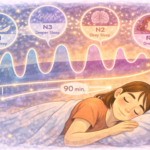
Sleep happens in cycles, including light sleep, deep sleep, and REM sleep — the stage critical for emotional processing. Digital exposure interferes with these stages.
Harvard researchers found:
- Decreased time spent in REM sleep
- Shallow, fragmented sleep
- Increased dream intensity due to overstimulation
When deep sleep and REM are disrupted, people wake up feeling unrested even after 7–8 hours of sleep.
For deeper emotional rest, you may also explore: Sound vs. Silence: What Helps People Sleep Better?.
Daytime Screen Habits That Influence Nighttime Sleep
Screen habits throughout the day impact sleep later. Excessive screen use leads to mental fatigue, reduced physical movement, and elevated stress hormones — all of which influence sleep quality.
APA and NIH studies show that people who take regular digital breaks sleep better at night.
Helpful adjustments include:
- Limiting screen use during meals
- Taking outdoor breaks
- Using blue light filters during daytime
- Scheduling screen-free moments
If you want to build better daily focus habits, explore: The Power of Single-Tasking Over Multitasking.
How to Reduce the Impact of Screens Before Bed
You don’t need to eliminate screens entirely — but you can manage how and when you use them to protect your sleep quality.
1. Establish a Digital Curfew
Set a cutoff time 60–90 minutes before bed. This allows melatonin levels to rise naturally.
Learn how to set boundaries with technology here: Creating a Digital Curfew.
2. Use Blue Light Filters
Many devices now include “night mode” or “warm light” settings to reduce blue light exposure. While helpful, they don’t fully eliminate the impact of screens — but they can reduce strain.
3. Replace Scrolling With Calming Activities
- Journaling
- Stretching or gentle yoga
- Reading a physical book
- Breathwork practices
These activities signal to the brain that it’s time to unwind. Try this guide for nighttime writing: How Journaling Before Bed Can Relax Your Mind.
4. Dim Lights and Reduce Noise
Lowering ambient light helps melatonin rise, while reducing sound stimulation prepares the brain for stillness.
5. Keep the Bedroom a Screen-Free Zone
If possible, avoid using phones, tablets, or TVs in bed. This helps your brain associate the bedroom with rest, not stimulation.
6. Turn Off Notifications
Even silent notifications cause micro-arousals in the brain. Consider using Do Not Disturb or airplane mode after your digital curfew.
Why Children and Teens Are More Affected by Screen Time
Younger people have more sensitive circadian rhythms and are more affected by external stimuli. NIH research shows that screen time delays melatonin production in teens more strongly than in adults.
Consequences include:
- Difficulty waking up for school
- Increased irritability
- Lower academic performance
- Higher rates of anxiety
Developing healthy nighttime habits early can prevent long-term sleep challenges.
How Screen Time Affects Morning Energy
When screen time delays sleep cycles, the body struggles to complete deep sleep stages. As a result, people often wake up feeling foggy, unfocused, or overstimulated.
Morning symptoms may include:
- Difficulty concentrating
- Low motivation
- Higher irritability
- Reduced mental clarity
If improving morning clarity is a goal, you may enjoy: Mental Clarity Morning Routine.
Creating a Healthy Relationship With Screens
Screens are part of modern life, but your relationship with them can be intentional. The goal is not to eliminate digital tools but to use them in a way that protects your mental and physical well-being.
Helpful strategies include:
- Setting boundaries around nighttime use
- Choosing calming content in the evening
- Using apps that limit screen time
- Integrating more offline habits throughout the day
For help managing digital habits, read: Apps That Help You Focus, Not Distract.
Final Thoughts
Screen time has a powerful effect on sleep quality — from suppressing melatonin to overstimulating the mind. But with awareness and intentional habits, it’s possible to enjoy technology while still protecting your sleep.
Simple changes like creating a digital curfew, replacing nighttime scrolling with calming routines, and reducing blue light exposure can dramatically improve how deeply and peacefully you rest.
More Sleep Wellness Resources:
Sleep Hygiene Tips for a More Restful Night
Sound vs. Silence: What Helps People Sleep Better?