Late-night scrolling has become a quiet routine for many people. Phones, tablets, and laptops often remain active until the final moments before sleep. While this behavior feels harmless—or even relaxing—research shows that nighttime screen use disrupts sleep, overstimulates the brain, and weakens emotional regulation. Creating a digital curfew is one of the most effective ways to protect mental clarity, sleep quality, and overall wellbeing. Studies from Harvard Medical School, the American Psychological Association, the National Institutes of Health, and Stanford University show that reducing evening screen exposure supports better sleep and emotional balance.
A digital curfew is not about strict rules or punishment. It is a boundary designed to support the brain’s natural rhythms and restore a sense of control over attention.
If you are working on healthier digital habits, you may also find this helpful:
The Dopamine Loop: Understanding the Scroll Addiction
What Is a Digital Curfew?
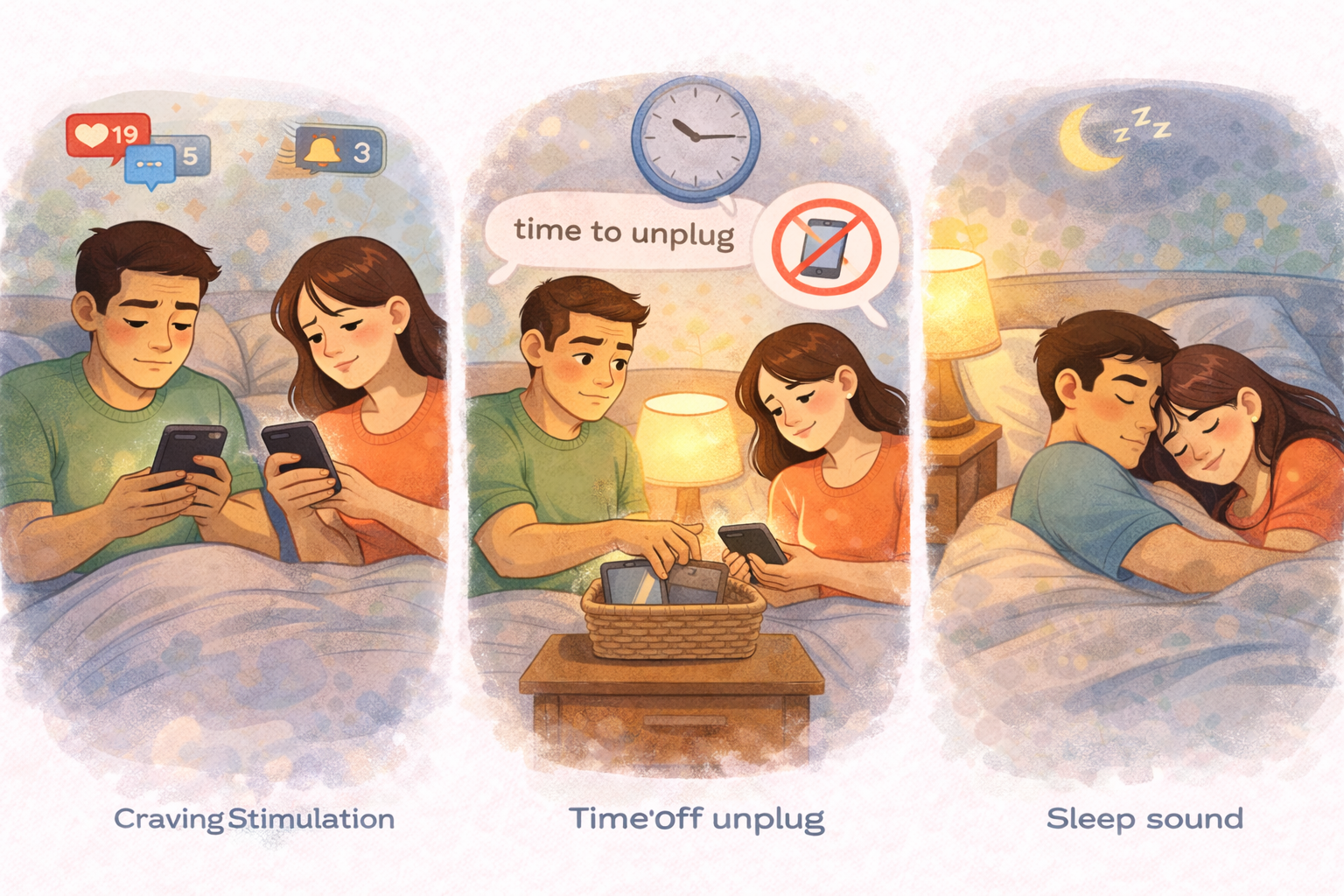
A digital curfew is a set time in the evening when screens are intentionally powered down or put away.
This may include phones, tablets, laptops, televisions, and other digital devices.
The goal is to create a clear transition between stimulation and rest.
Why Digital Curfews Matter for Mental Health
The brain relies on predictable cues to prepare for sleep.
Evening screen use interferes with this process by increasing alertness and suppressing melatonin.
Harvard research shows that blue light exposure delays sleep onset and reduces sleep quality.
Poor sleep is linked to increased anxiety, irritability, and reduced focus.
The Nervous System and Evening Stimulation
Digital content activates the brain’s reward and attention systems.
Notifications, scrolling, and video content keep the nervous system in a heightened state.
NIH research links evening stimulation to difficulty transitioning into restorative sleep.
A digital curfew allows the nervous system to downshift.
How Late-Night Screen Use Affects Sleep
Even short periods of screen use before bed can:
- delay melatonin release
- shorten total sleep time
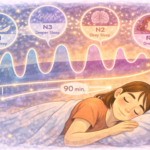
- reduce deep sleep
- increase nighttime awakenings
Sleep disruption compounds over time.
Related reading:
Sleep Hygiene Tips for a More Restful Night
The Emotional Cost of No Digital Boundaries
Late-night screen use increases emotional reactivity.
APA research shows that sleep deprivation lowers impulse control and emotional regulation.
This makes stress feel heavier and conflicts more intense.
A digital curfew protects emotional balance.
Creating a Digital Curfew Without Deprivation
A successful digital curfew feels supportive, not restrictive.
It works best when paired with replacement activities rather than empty time.
Gentle structure increases consistency.
Step 1: Choose a Realistic Curfew Time
Start with a time that feels achievable.
For many people, 60 to 90 minutes before sleep is effective.
Consistency matters more than perfection.
Step 2: Decide Which Devices Are Included
Not all devices need to be eliminated at once.
Start with the most stimulating ones, such as:
- social media apps
- streaming platforms
- news consumption
Gradual reduction increases sustainability.
Step 3: Replace Screens With Calming Activities
The brain still needs engagement.
Helpful alternatives include:
- reading physical books
- journaling
- gentle stretching
- listening to calm music
Replacement reduces resistance.
Digital Curfews and the Dopamine System
Evening scrolling activates dopamine-driven anticipation.
Stopping abruptly may feel uncomfortable.
This discomfort fades as the brain adjusts.
Learn more here:
The Dopamine Loop: Understanding the Scroll Addiction
Reducing Notification Triggers
Notifications restart attention loops.
Turning off nonessential notifications supports curfew success.
Harvard research shows fewer interruptions improve emotional regulation.
Creating Environmental Cues for Success
The environment shapes behavior.
Helpful cues include:
- charging devices outside the bedroom
- using an analog alarm clock
- dimming lights in the evening
These cues support habit formation.
Digital Curfews and Relationships
Evening device use often replaces connection.
Digital curfews create space for conversation and presence.
APA research links shared offline time to improved relationship satisfaction.
Related reading:
Daily Micro-Actions That Build Closeness
Digital Curfews for Anxiety Reduction
Nighttime screen use increases rumination.
Reducing digital input lowers cognitive overload.
This helps the mind settle naturally.
Handling Resistance and Relapse
Breaking habits involves setbacks.
Relapse does not mean failure.
Self-compassion supports long-term change.
Mindfulness and Evening Awareness
Mindfulness helps notice urges without acting on them.
Stanford research shows mindfulness reduces impulsive digital behavior.
Explore mindfulness basics here:
What Is Mindfulness and How to Start?
Digital Curfews and Morning Energy
Better evenings lead to better mornings.
Improved sleep supports focus, mood, and motivation.
The benefits compound over time.
Common Myths About Digital Curfews
- Myth: Curfews are extreme
Reality: They are protective boundaries - Myth: One night won’t matter
Reality: Habits are cumulative - Myth: Willpower is enough
Reality: Environment matters more
When Digital Curfews Feel Impossible
High stress or emotional avoidance can drive late-night use.
Addressing underlying needs makes curfews easier.
Support may be helpful during transitions.
Making Digital Curfews a Lifestyle Habit
Consistency creates automaticity.
Over time, the brain begins to anticipate rest.
Digital curfews become less effortful.
Final Thoughts
Creating a digital curfew is a simple yet powerful way to reclaim attention, improve sleep, and protect emotional wellbeing.
It is not about rejecting technology—it is about using it intentionally.
When evenings become calmer, nights more restorative, and mornings clearer, the value of a digital curfew becomes unmistakable.
More digital wellness resources from MindBloomDaily:
Reducing Screen Time Without Feeling Deprived
Online Overwhelm and Mental Fatigue