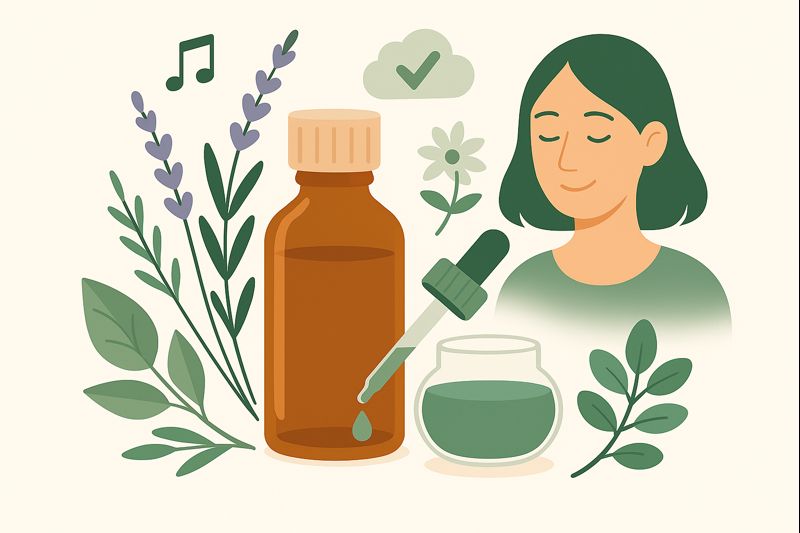
Essential oils have been used for centuries to support emotional well-being, relieve stress, sharpen concentration, and promote a calmer mind. Today, modern research from the National Institutes of Health, the Cleveland Clinic, and wellness resources at Harvard Health suggests that certain essential oils can positively influence the brain’s emotional centers. When inhaled or applied correctly, these plant-based extracts may help regulate stress hormones, enhance cognitive performance, and create a clearer, more balanced mental state.
Aromatherapy works through the olfactory system—a direct pathway between scent receptors and the limbic system, the part of the brain that handles emotion, memory, and mood processing. This makes essential oils especially powerful tools for emotional support and mental clarity.
This article explores the most researched essential oils for mood and focus, the science behind their effects, and how to use them safely as part of your wellness routine.
How Essential Oils Influence Mood and Clarity
When you inhale essential oil aromas, they stimulate receptors in the nose that send signals directly to the limbic system. This quick neurological pathway helps explain why certain scents can create an immediate sense of calm, energy, or focus.
NIH research shows that essential oils may affect:
- Stress hormones, such as cortisol
- Neurotransmitters, including serotonin and dopamine
- Heart rate and nervous system balance
- Attention and cognitive performance
If you’re exploring more natural ways to calm the mind, you might also enjoy:
How Deep Breathing Can Help Calm the Mind
1. Lavender: The Classic Essential Oil for Calm and Emotional Balance
Lavender is one of the most extensively studied essential oils. Research from the Ruhr University Bochum found that lavender interacts with serotonin and glutamate receptors, helping reduce anxiety symptoms and calming the nervous system.
Lavender is commonly used for:
- Reducing stress and tension
- Promoting relaxation before sleep
- Ease mild anxiety
- Calming an overactive mind
If sleep is one of your goals, lavender pairs well with:
Sleep Hygiene Tips for a More Restful Night
2. Peppermint: For Mental Energy, Focus, and Refreshment
Peppermint essential oil contains menthol, which creates a cooling sensation that stimulates alertness. NIH research shows that peppermint inhalation may improve memory, attention, and sustained focus.
Peppermint is helpful when you need:
- A boost of energy
- Sharper mental performance
- Reduced mental fatigue
- Improved clarity while working or studying
If you want more ways to enhance daily focus, explore:
Creating a Personal Focus System
3. Lemon: A Bright, Uplifting Oil for Mood Enhancement
Lemon essential oil has shown antidepressant-like effects in animal studies and may help elevate mood through its influence on the limbic system. The scent of citrus is frequently associated with freshness, clarity, and emotional lightness.
Lemon is often used for:
- Boosting mood and positivity
- Refreshing the mind
- Easing emotional heaviness
- Encouraging mental reset throughout the day
Lemon also blends well with lavender for calm, balanced clarity.
4. Rosemary: For Cognitive Performance and Mental Sharpness
Rosemary essential oil has long been associated with memory improvement. According to NIH research, compounds in rosemary may help enhance cognitive function by increasing alertness and supporting neurochemical processes related to focus and recall.
Rosemary may help with:
- Improving concentration
- Enhancing memory retention
- Reducing mental fatigue during long tasks
- Boosting productivity
If you’re building a more focused workday, try:
How to Design a Distraction-Free Work Day
5. Bergamot: For Emotional Release and Stress Relief
Bergamot is a citrus essential oil known for its bright but soothing aroma. Research published by the NIH found that bergamot inhalation helped reduce physiological signs of stress and improve mood in clinical settings.
People use bergamot for:
- Reducing emotional tension
- Creating a sense of ease
- Easing stress-induced irritability
- Balancing mood during stressful periods
6. Frankincense: For Grounding, Presence, and Calm Awareness
Frankincense has been used in spiritual and healing traditions for centuries. It contains compounds that may support nervous-system relaxation. Some studies suggest it influences pathways related to emotional balance and stress reduction.
Frankincense helps with:
- Deepening breathing
- Calming emotional overwhelm
- Supporting meditation or mindfulness
- Promoting clarity of thought
If you practice mindfulness or want to start, read:
What Is Mindfulness and How to Start?
7. Eucalyptus: For Mental Refreshment and Clear Breathing
Eucalyptus essential oil helps open airways and create a refreshing sensation that can indirectly improve focus. When breathing feels easier, the mind often feels more energized and attentive.
Benefits of eucalyptus include:
- Reducing mental heaviness
- Increasing alertness
- Supporting clearer breathing
- Refreshing the mind during fatigue
8. Ylang Ylang: For Emotional Soothing and Tension Relief
Ylang ylang essential oil has a sweet, floral scent known for its calming properties. NIH studies show that inhaling ylang ylang can reduce heart rate and blood pressure, helping quiet emotional turbulence.
Ylang ylang is often used to:
- Soothe irritability
- Ease emotional overwhelm
- Promote relaxation after stress
- Support emotional healing
How Essential Oils Support Mental Clarity
Mental clarity is not just about sharper thinking—it’s also about reducing internal noise. Essential oils support clarity by influencing brain activity, reducing stress hormones, and creating sensory experiences that ground the mind.
Essential oils may support clarity by:
- Calming overstimulation
- Reducing mental fatigue
- Supporting deeper breathing
- Creating a sense of presence
For deeper clarity strategies, you may enjoy:
10 Daily Habits That May Support Mental Clarity
Safe Ways to Use Essential Oils
While essential oils are natural, they are highly concentrated and should be used safely and sparingly.
Methods of use include:
- Diffusion: Add a few drops to an essential oil diffuser.
- Inhalation: Place 1–2 drops on a tissue and breathe gently.
- Topical use: Mix with a carrier oil before applying to the skin.
- Bath aromatherapy: Add diluted oils to a warm bath.
General safety guidelines:
- Always dilute oils before applying to skin.
- Do not ingest essential oils unless advised by a trained professional.
- Keep oils away from eyes and mucous membranes.
- Avoid certain oils during pregnancy without medical guidance.
Creating Your Own Mood + Clarity Oil Blends
Combining essential oils can enhance their effects. Here are simple blends to support emotional and mental wellness:
For calm focus:
- Lavender + rosemary + lemon
For emotional steadiness:
- Frankincense + bergamot
For energy and clarity:
- Peppermint + eucalyptus + lemon
For nighttime relaxation:
- Lavender + ylang ylang
Pairing Essential Oils with Other Wellness Practices
Essential oils work best when used alongside supportive habits. The combination amplifies calm and mental clarity.
Try pairing aromatherapy with:
- Meditation or breathwork
- Deep breathing exercises
- Journaling for emotional processing
- Mindful stretching
- Nature walks
To support mindfulness practices, explore:
Daily Mindfulness Rituals That Promote Balance
Final Thoughts
Essential oils offer a gentle yet effective way to support your mood, emotional balance, and mental clarity. When used safely and intentionally, they can help you unwind, stay focused, create calming environments, and bring more awareness into your daily life.
Whether you’re looking to ease stress, uplift your mood, or sharpen your concentration, the oils in this article provide natural pathways to greater well-being.
More for emotional and mental clarity:
How Aromatherapy May Support Stress Relief
Common Herbs People Use for Calm and Focus