Natural light is more than illumination—it is one of the most powerful signals your brain receives each day. Research from the Harvard Medical School, the Stanford School of Medicine, the National Institutes of Health, and the American Psychological Association reveals that sunlight dramatically influences mood, mental clarity, hormone balance, sleep quality, and overall emotional well-being.
Humans evolved outdoors, not under fluorescent bulbs or smartphone screens. Natural light helps regulate the circadian rhythm—the body’s internal clock—while triggering neurotransmitters that support happiness, energy, and cognitive performance. Without enough natural light, the brain struggles to maintain emotional stability and mental sharpness.
This article explores how sunlight affects your mental health, why it is essential for emotional balance, and how to get more healthy light exposure in a modern indoor lifestyle.
Why Natural Light Is Essential for Mood and Emotion
Sunlight directly affects two major brain chemicals involved in mood:
- Serotonin — boosts mood, emotional steadiness, and well-being
- Melatonin — helps with sleep and nighttime relaxation
When you spend time in natural light, serotonin production increases, making you feel more calm, happy, and focused. At night, lower light levels help melatonin rise—allowing restful sleep. When sunlight exposure is low, both mood and sleep can suffer.
If you’re improving your sleep habits, try:
Sleep Hygiene Tips for a More Restful Night
Natural Light and Depression: What Research Shows
One of the strongest connections between light and mental health involves seasonal affective disorder (SAD), a form of depression that occurs during darker months. Stanford and Harvard researchers note that reduced sunlight can disrupt serotonin levels and circadian rhythms, contributing to sadness, irritability, low energy, and difficulty concentrating.
Even outside of SAD, studies show that people with limited daylight exposure are more likely to experience:
- Low mood
- Fatigue
- Anxiety
- Decreased motivation
Increasing daily sunlight—even through short walks or sitting near windows—has been shown to significantly improve emotional well-being.
If mood balance is a goal, consider reading:
Breathing Patterns to Calm an Anxious Mind
How Sunlight Regulates Your Circadian Rhythm
Your circadian rhythm is your internal 24-hour clock that guides sleep, alertness, hormones, digestion, and cognitive performance. Natural light—especially in the morning—is the strongest cue for your brain to regulate this rhythm correctly.
Morning light helps:
- Increase morning alertness
- Reduce daytime grogginess
- Improve mood and focus
- Strengthen nighttime melatonin production
This is why morning sunlight feels energizing and steadying. It also explains why spending the entire day indoors under artificial light often leads to brain fog, low mood, and disturbed sleep.
If you want to regulate your internal clock, see:
Benefits of a Fixed Sleep Schedule
Natural Light Improves Cognitive Performance
Studies from NIH and Stanford show that people exposed to natural light during the day experience:
- Better focus and sustained attention
- Faster cognitive processing
- Reduced mental fatigue
- Greater problem-solving ability
Natural light helps regulate cortisol rhythms—energy-producing in the morning and calming in the evening. When cortisol is aligned with light patterns, your mind feels clearer, sharper, and more capable.
If improving clarity is a priority, explore:
10 Daily Habits That May Support Mental Clarity
Sunlight Helps Reduce Stress
Being outdoors in natural light lowers stress hormones and activates the parasympathetic nervous system—the body’s relaxation mode. Even a few minutes outside can help calm an overactive mind.
Harvard researchers note that sunlight exposure may lower resting heart rate and blood pressure, contributing to deeper emotional relaxation.
Sunlight reduces stress by:
- Balancing cortisol levels
- Improving breathing patterns
- Reducing rumination (overthinking)
- Enhancing sensory grounding
If managing stress is part of your wellness goals, read:
The Stress Response: How It Works & What Helps
Why Indoor Light Is Not Enough
Indoor lighting—even bright bulbs—cannot replicate the brain-boosting benefits of natural sunlight. On a bright day, outdoor light can be 100 times stronger than indoor lighting. This intensity is crucial for regulating circadian rhythms and boosting serotonin.
Common signs of insufficient natural light include:
- Daytime fatigue
- Difficulty waking up
- Mood instability
- Brain fog
- Poor concentration
Even workplaces with windows often don’t provide enough consistent exposure unless you intentionally spend time near daylight.
If your indoor environment affects your mind, this may also interest you:
How Decluttering Your Space Affects Your Mind
Natural Light and Sleep Quality
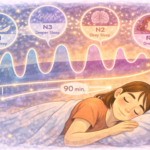
Your sleep depends heavily on how much natural light you get during the day—especially in the morning. Sunlight helps set the timing of melatonin, the hormone that signals your body to sleep. If melatonin rises too early or too late, it can cause insomnia, restlessness, or nighttime overthinking.
Regular sunlight exposure helps you:
- Fall asleep more easily
- Stay asleep longer
- Experience deeper sleep cycles
- Wake up with more natural energy
If you’re improving your sleep environment, explore:
How to Create a Sleep-Inducing Environment
Natural Light Supports Emotional Resilience
Consistent sunlight exposure enhances emotional resilience by stabilizing neurotransmitters, reducing anxiety, and supporting clearer thinking. The APA highlights that exposure to bright, natural light can decrease symptoms of anxiety and promote a sense of groundedness.
People who receive more sunlight during the day often experience:
- More stable mood patterns
- Reduced irritability
- Greater sense of calm
- Increased motivation and optimism
How Much Sunlight Do You Need Each Day?
Most experts recommend 20–30 minutes of outdoor sunlight per day for emotional and mental health benefits. However, even shorter exposure—5 to 10 minutes—can help regulate your circadian rhythm and boost serotonin.
Best times to get natural light:
- Within the first hour after waking
- Late morning or early afternoon
- Any time you need a mental reset
If you already walk outdoors in the morning, you’re combining two powerful mood boosters. Walking + sunlight is an excellent pair:
Benefits of Morning Walks for Mental Freshness
Ways to Increase Natural Light Exposure
You don’t need perfect weather or long outdoor outings to benefit. Simple adjustments can significantly increase your daily light intake.
Inside your home:
- Open curtains immediately after waking
- Sit near windows while working or reading
- Arrange workspaces close to natural light
- Use mirrors to reflect sunlight deeper into rooms
Outdoors:
- Take a short walk in the morning
- Eat breakfast outside or near a window
- Step outside for 3–5 minutes during work breaks
- Open a window to receive natural light + fresh air
If you like nature-based grounding, combine sunlight with:
The Benefits of Grounding (Earthing)
Natural Light vs. Artificial Light: Understanding the Difference
Artificial light often lacks the full spectrum of sunlight and does not stimulate serotonin or circadian regulation in the same way. Blue light from screens, in particular, can disrupt melatonin and overstimulate the brain.
Natural light supports:
- Mood regulation
- Cognitive function
- Circadian alignment
- Stress reduction
Artificial light can:
- Disrupt melatonin (especially at night)
- Increase eye strain
- Reduce sleep quality
- Heighten mental fatigue
If nighttime screen habits interfere with sleep, see:
The Impact of Screen Time on Sleep Quality
Natural Light and Productivity
Workplaces with abundant natural light are associated with higher productivity, lower stress, and better cognitive performance. Employees with access to daylight report fewer symptoms of burnout and greater motivation.
Stanford and NIH studies note that natural light can:
- Increase accuracy and concentration
- Reduce mental fatigue over long work periods
- Support emotional steadiness in stressful environments
- Improve overall job satisfaction
If productivity is a focus area for you, consider:
Time Management Tips That Actually Work
Natural Light and Emotional Connection
Research shows that sunlight exposure can enhance social connection and emotional engagement. People who spend more time outdoors often feel more open, curious, and connected to others.
Some studies link natural light to increased oxytocin—a hormone associated with bonding and warmth.
These emotional benefits make natural light a powerful tool not only for individual well-being but also for relationship health.
Final Thoughts
Natural light is one of the simplest and most accessible tools for supporting mental health. It stabilizes mood, sharpens clarity, energizes the mind, regulates hormones, and enhances emotional resilience. Even small increases in your daily light exposure can lead to meaningful improvements in your well-being.
You don’t need hours outdoors—just a few intentional minutes in natural light each day can shift your emotional baseline, improve focus, and help your mind feel refreshed and balanced.
More natural wellness resources:
Healing Power of Forest Bathing
How Nature Exposure Affects Your Brain