Discover science-backed methods people use to reduce everyday stress, from breathing and mindfulness to nature, movement, sleep, journaling, and more. Learn how simple habits calm the mind and support emotional well-being.
Stress is part of modern life — and while we can’t avoid every challenge, we can change how our minds and bodies respond to it. Science has documented countless ways people naturally lower stress levels without medication or complicated interventions. These methods work by calming the nervous system, improving focus, supporting emotional balance, and helping the brain process everyday pressures more effectively.
Understanding the Stress Response
Research from Harvard Medical School – Stress and the Body explains that stress begins in the brain’s alarm center, the amygdala. When something feels overwhelming, uncertain, or threatening, the amygdala signals the body to activate the sympathetic nervous system — the fight-or-flight response.
This leads to immediate physical changes:
-
Faster heartbeat
-
Quickened breathing
-
Tight muscles
-
Heightened alertness
-
Shifts in hormones like cortisol and adrenaline
This response once helped humans survive danger. Today, everyday events like work pressure, financial worries, deadlines, or emotional conflict can activate the same system — even when no physical threat exists.
Understanding stress as a biological reaction helps people manage it with compassion and clarity, rather than frustration or self-blame.
Deep Breathing to Calm the Nervous System
Research from the National Institutes of Health – Slow Breathing and Stress Reduction shows that controlled breathing is one of the fastest ways to reduce stress. Slow breathing activates the vagus nerve, which signals the parasympathetic nervous system — the body’s “rest and relax” mode.
This reduces:
-
Heart rate
-
Muscle tension
-
Cortisol levels
-
Racing thoughts
Deep breathing works because it sends a strong message of safety to the brain. Many people use techniques like diaphragmatic breathing, box breathing, or slow extended exhalations to interrupt stress spirals.
More Insightful Reads:
How Deep Breathing Can Help Calm the Mind
Stress Reduction Through Nature Exposure
Research from the University of Michigan – Nature and Cortisol Study demonstrates that spending time outdoors — even for just 10 minutes — significantly lowers cortisol levels. Nature reduces rumination, improves mood, and reduces blood pressure.
This effect comes from shifting attention from internal worries to external sensory experiences like:
-
Trees
-
Water
-
Sunlight
-
Fresh air
-
Natural soundscapes
People often report feeling calmer and more grounded after even brief nature breaks.
More Insightful Reads:
The Role of Nature in Reducing Stress
Mindfulness to Quiet the Stress-Driven Mind
Research from Harvard University – Mindfulness and Brain Changes shows that mindfulness reduces stress by lowering activity in the amygdala and increasing activation in regions connected to emotional control.
Mindfulness helps people:
-
Notice stressful thoughts without reacting
-
Stay present instead of overthinking
-
Reduce catastrophic thinking
-
Build emotional resilience
Grounding exercises, deep breathing, mindful observation, or short meditations can turn down the brain’s stress signals.
More Insightful Reads:
What Is Mindfulness and How to Start?
Physical Activity and Movement
Research from the Anxiety & Depression Association of America – Exercise and Stress shows that physical activity releases endorphins, increases serotonin, lowers cortisol, and improves mood.
Movement helps:
-
Relax tight muscles
-
Interrupt stressful thought loops
-
Improve sleep
-
Boost energy and motivation
The best part: it doesn’t have to be intense.
People reduce stress through walking, stretching, yoga, cycling, dancing, or swimming.
Decluttering and Organizing Your Environment
Research from Princeton Neuroscience Institute – Clutter and Cognitive Load finds that clutter competes for your attention and makes it harder for the brain to process information. This increases stress and reduces mental clarity.
A cleaner environment helps:
-
Reduce overwhelm
-
Improve focus
-
Improve emotional calm
-
Increase productivity
Even organizing one small area — a desk, drawer, or room — can lower stress.
More Insightful Reads:
Digital Detox for Mental Sharpness
Sunlight and Circadian Rhythm Regulation
Research from Harvard Medical School – Light, Sleep, and Stress shows that natural light exposure regulates the circadian rhythm, improving both stress levels and emotional resilience.
Morning sunlight:
-
Balances cortisol
-
Improves sleep quality
-
Boosts serotonin
-
Enhances daytime mood
Even spending a few minutes outside each morning can support stress relief.
Social Connection and Emotional Support
Research from the National Institute of Mental Health – Social Support and Stress shows that meaningful connection reduces stress hormones and increases feelings of safety.
Talking with a supportive friend, spending time with loved ones, or simply sharing experiences helps regulate stress responses through the release of oxytocin — a calming, bonding hormone.
Source: National Institute of Mental Health – Social Support and Stress
Reducing Digital Overload
Research from the American Psychological Association – Digital Stress Study shows that constant notifications, screen time, and social media comparison significantly increase stress.
People reduce digital stress by:
-
Turning off non-essential notifications
-
Setting screen-time limits
-
Scheduling digital breaks
-
Cleaning up social media feeds
This creates mental space and reduces overstimulation.
Sleep as a Protective Stress Buffer
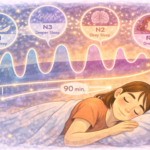
Research from Harvard Medical School – Sleep and Mental Health confirms that sleep strengthens the brain’s ability to manage stress. Lack of sleep increases emotional reactivity, reduces focus, and makes stressors feel more overwhelming.
Good sleep hygiene practices include:
-
Consistent bedtime
-
Reduced screen exposure
-
Creating a calm sleep environment
-
Light evening routines
More Insightful Reads:
Evening Routines That Promote a Calm Mind
Journaling to Process Emotional Load
Research from the University of Chicago – Expressive Writing and Stress Relief shows that journaling reduces intrusive thoughts and improves emotional clarity. Writing down worries helps the brain process stress instead of storing it internally.
People often journal:
-
What triggered their stress
-
What they’re feeling
-
What is in their control
-
What steps they can take
This creates a mental release and reduces emotional pressure.
Nutrition and Hydration for Lower Stress
Research from the Harvard School of Public Health – Diet and Mental Health shows that foods rich in omega-3 fats, magnesium, B vitamins, and antioxidants support the body’s stress-regulation systems.
Poor nutrition and dehydration can worsen cortisol levels and impair emotional control.
More Insightful Reads:
Balanced Breakfast Ideas for Mental Clarity
Final Thoughts
Scientific evidence shows that stress relief doesn’t require dramatic lifestyle changes — small, consistent habits create powerful effects. Whether it’s deep breathing, movement, sunlight, nature, journaling, mindfulness, social support, or better sleep, these tools help calm the nervous system and make daily life feel lighter.
Stress is part of being human, but it doesn’t have to control your day.
With the right practices, you can build resilience, clarity, and emotional balance.