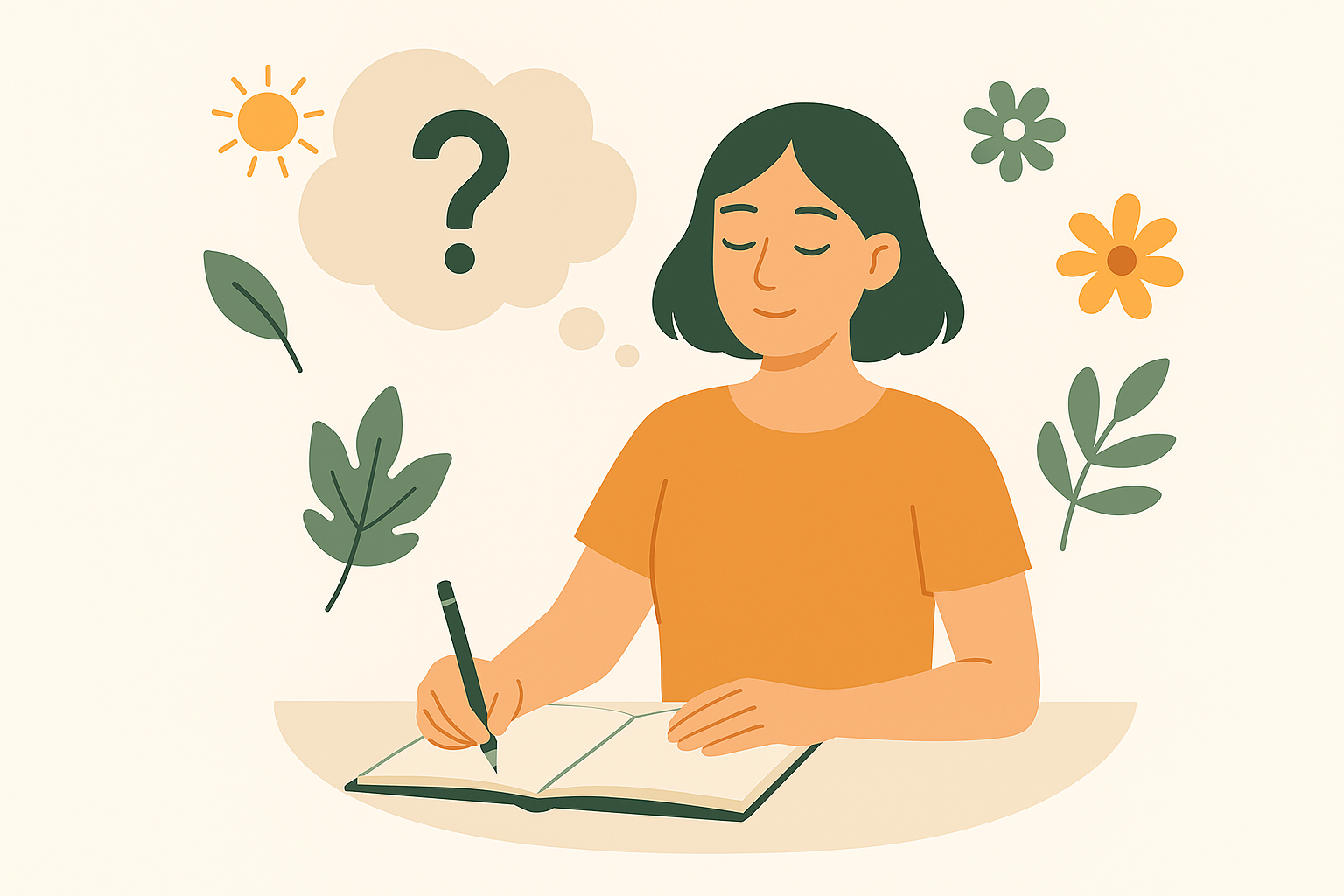
Mindfulness does not require long meditation sessions, silent retreats, or perfect focus. At its core, mindfulness is the simple act of paying attention to the present moment with openness and curiosity. Daily mindfulness prompts are small reminders that gently guide attention back to what is happening right now. Research from Harvard Medical School, the American Psychological Association, the National Institutes of Health, and Stanford University shows that consistent, brief mindfulness practices can significantly reduce stress, improve emotional regulation, and increase mental clarity.
Mindfulness prompts work because they interrupt autopilot. They help the brain shift out of habitual thinking and reconnect with direct experience. Over time, these small moments of awareness create meaningful changes in how the mind responds to stress and distraction.
If you are new to mindfulness, you may find this helpful:
What Is Mindfulness and How to Start?
What Are Daily Mindfulness Prompts?
Daily mindfulness prompts are short questions, statements, or reflections designed to bring attention to the present moment. Unlike goals or affirmations, prompts do not ask you to change anything. They simply invite awareness.
A mindfulness prompt might ask you to notice:
- what you are feeling in your body
- what emotions are present
- where your attention is going
- how you are responding to your environment
These prompts can be used at any time of day and require only a few moments of attention.
Why Mindfulness Prompts Work
The brain naturally seeks efficiency. Without awareness, it relies on habits, assumptions, and mental shortcuts. This can lead to stress, overthinking, and emotional reactivity.
Mindfulness prompts engage the prefrontal cortex—the area responsible for awareness and regulation—while reducing activity in the brain’s stress and rumination networks. Stanford research shows that this shift improves emotional balance and cognitive flexibility.
In simple terms, prompts remind the brain to slow down and observe.
How to Use Daily Mindfulness Prompts
There is no “right” way to use mindfulness prompts. They are meant to fit naturally into daily life.
You can use prompts:
- during your morning routine
- between work tasks
- while eating or walking
- during moments of stress
- before bed
The key is gentle attention, not analysis.
Morning Mindfulness Prompts
Morning mindfulness sets the tone for the day by bringing awareness before distractions take over.
- How does my body feel right now?
- What is one sensation I notice as I wake up?
- What emotion is present this morning?
- What does my mind need today?
For a structured start, explore:
Mental Clarity Morning Routine
Mindfulness Prompts for Focus and Clarity
When attention scatters, prompts can help gently refocus.
- Where is my attention right now?
- What am I actually doing in this moment?
- Can I bring full attention to the next small action?
- What happens if I slow this moment down?
These prompts are especially helpful during work or study sessions.
Related reading:
The Power of Single-Tasking Over Multitasking
Body-Based Mindfulness Prompts
The body is always in the present moment. Body-based prompts ground awareness and calm the nervous system.
- What sensations do I feel in my feet right now?
- Where is there tension in my body?
- What happens if I soften one area of tension?
- How does my breath feel in my body?
For deeper body awareness, explore:
Body Scan Meditation Explained
Mindfulness Prompts for Emotional Awareness
Emotions often go unnoticed until they become intense. Mindfulness prompts help catch them earlier.
- What emotion is present right now?
- Where do I feel this emotion in my body?
- Can I allow this feeling without changing it?
- What does this emotion need from me?
APA research shows that labeling emotions improves emotional regulation and reduces reactivity.
Mindfulness Prompts for Stressful Moments
Stress narrows attention and increases urgency. Mindfulness prompts create space.
- What is happening right now, not what I fear?
- Can I notice my breath without changing it?
- What part of my body feels supported?
- What would slowing down feel like in this moment?
For grounding tools during stress, see:
Grounding Exercises for Daily Use
Mindfulness Prompts for Relationships
Mindfulness improves connection by increasing presence during interactions.
- Am I listening or preparing to respond?
- What am I noticing in the other person?
- How does my body react during this interaction?
- Can I stay present even if it feels uncomfortable?
Related reading:
Listening Skills That Improve Connection
Mindfulness Prompts for Overthinking
Overthinking pulls attention into imagined futures or past events. Prompts bring it back.
- Is this thought about now or later?
- What do I know for certain in this moment?
- Can I feel my feet or breath right now?
- What happens if I let this thought pass?
If overthinking is frequent, explore:
The Psychology of Overthinking — And How to Manage It
Evening Mindfulness Prompts
Evening prompts help the mind transition from activity to rest.
- What moments stood out today?
- What sensations do I feel as the day ends?
- What can I let go of tonight?
- How does my body respond to slowing down?
For calming routines, see:
Evening Routines That Promote a Calm Mind
Gratitude-Based Mindfulness Prompts
Gratitude prompts shift attention toward balance and support.
- What supported me today?
- What small moment brought ease?
- What am I appreciating right now?
Explore the brain science behind this practice:
Gratitude Practice and Your Brain
How Often Should You Use Mindfulness Prompts?
Mindfulness prompts are most effective when used consistently, even briefly.
One prompt, once or twice a day, is enough to build awareness over time.
Consistency matters more than quantity.
Common Mistakes with Mindfulness Prompts
- trying to force calm
- overanalyzing responses
- judging experiences
- expecting immediate results
Mindfulness is about noticing, not fixing.
Mindfulness Prompts and Brain Changes
Repeated mindfulness prompts strengthen neural pathways associated with awareness and regulation. NIH research shows that even brief mindfulness practices support neuroplasticity.
Over time, the brain becomes more skilled at returning to the present without effort.
Creating Your Own Mindfulness Prompts
You can create personal prompts that fit your life. Effective prompts are simple, open-ended, and present-focused.
Examples include:
- What am I noticing right now?
- How does this moment feel?
- Where is my attention going?
Final Thoughts
Daily mindfulness prompts are small but powerful tools for reconnecting with the present moment. They require no special setting, no long sessions, and no perfect focus.
By gently interrupting autopilot, mindfulness prompts train the brain to respond with awareness instead of reactivity. Over time, this practice supports emotional balance, mental clarity, and a calmer relationship with daily life.
More mindfulness tools from MindBloomDaily:
Using Breath to Anchor the Mind
The Science Behind Meditation and Brain Changes