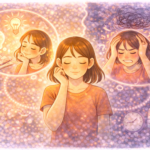
Anxiety often begins with the body before the mind fully notices it — a quickening heartbeat, shallow breaths, tense muscles, or a tightness in the chest. One of the most effective ways to interrupt this cycle is through intentional breathing. Research from the Harvard Medical School, Stanford University, the American Psychological Association, and the National Institutes of Health shows that specific breathing patterns activate the parasympathetic nervous system — the body’s natural calming mechanism.
Breathing is a powerful tool because it directly influences your nervous system. When you breathe slowly and intentionally, you send a message of safety to the brain, which helps reduce anxiety symptoms like restlessness, fear spirals, and overthinking.
This article explores science-backed breathing patterns that calm anxious thoughts, regulate the nervous system, and restore emotional balance. These practices work within minutes and can be done anywhere.
Why Breath Is the Fastest Way to Calm Anxiety
Anxiety activates the fight-or-flight system, which makes your heartbeat faster and your breath more rapid. These physical changes can worsen anxious thinking, creating a loop that’s hard to break.
Intentional breathing interrupts this loop by:
- Slowing the heart rate
- Lowering cortisol levels
- Calming the amygdala (the brain’s fear center)
- Increasing oxygen to the brain
- Activating the vagus nerve
According to Harvard researchers, breath control is one of the most effective techniques for reducing acute anxiety because it shifts the body from “threat mode” to “rest-and-digest mode.”
If you want to understand how stress affects your nervous system, you might also find value in: The Stress Response: How It Works & What Helps.
The Vagus Nerve: Your Body’s Built-In Calming Switch
The vagus nerve is a major part of the parasympathetic nervous system, influencing heart rate, digestion, breathing, and emotional regulation. When stimulated through slow, controlled breathing, it sends signals of safety to the brain.
Stanford neuroscientists report that breathwork is one of the fastest ways to activate the vagus nerve, making it exceptionally effective during moments of anxiety.
Breathing Pattern #1: The 4–6 Relaxation Breath
This pattern focuses on extending the exhale, which strongly activates the calming system. Longer exhales signal to the brain that danger has passed.
How to do it:
- Inhale gently for 4 seconds
- Exhale slowly for 6 seconds
- Repeat for 1–3 minutes
Harvard research highlights that prolonged exhalation reduces anxiety faster than equal-length breaths. This pattern is excellent for panic symptoms and emotional overwhelm.
If you want more ways to calm the mind through breath, explore: How Deep Breathing Can Help Calm the Mind.
Breathing Pattern #2: The Physiological Sigh
The physiological sigh is one of the fastest scientifically proven breathing tools for anxiety. It mimics the body’s natural calming reflex, often triggered during crying or emotional release.
How to do it:
- Take one deep breath in through the nose
- Take a second, shorter sip of air at the top
- Exhale slowly through the mouth
Stanford University research shows that just 1–3 physiological sighs can reduce anxiety significantly. It is particularly helpful in moments of sudden stress, panic, or emotional overwhelm.
Breathing Pattern #3: Box Breathing (4–4–4–4)
Box breathing helps regulate the nervous system and improve emotional stability. It is widely used by therapists, athletes, and even Navy SEALs to remain calm under pressure.
How to do it:
- Inhale for 4 seconds
- Hold for 4 seconds
- Exhale for 4 seconds
- Hold for 4 seconds again
This structured breathing pattern is grounding and prevents the rapid, shallow breaths associated with anxiety. It helps stabilize both the breath and the mind.
Breathing Pattern #4: 4–7–8 Breathing
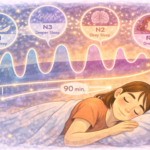
This technique is often recommended for calming the body before sleep, but it is also extremely effective for reducing anxious thoughts during the day.
How to do it:
- Inhale for 4 seconds
- Hold for 7 seconds
- Exhale for 8 seconds
NIH studies show that long exhalations help regulate heart rate variability — a key factor in emotional resilience. This breathing pattern is great for anxiety paired with insomnia or racing thoughts.
If nighttime worry is something you struggle with, you may also appreciate: Why You Might Be Struggling to Sleep (And Small Fixes That May Help).
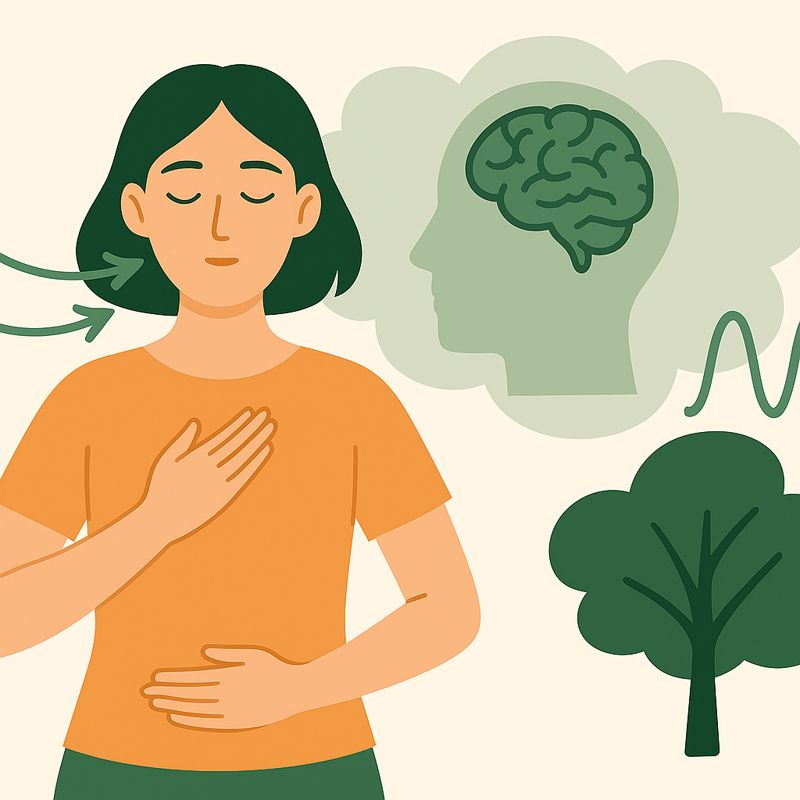
Breathing Pattern #5: Diaphragmatic (Belly) Breathing
Anxiety often leads to shallow breathing from the chest. Diaphragmatic breathing expands the belly and engages the diaphragm fully, allowing for a deeper and slower breath.
How to do it:
- Place one hand on your chest and one on your belly
- Inhale slowly so your belly rises (not your chest)
- Exhale gently through your mouth
NIH research shows this technique reduces cortisol and improves oxygenation — a major benefit during anxiety episodes.
Breathing Pattern #6: Coherent Breathing (5 breaths per minute)
Coherent breathing regulates the nervous system by slowing the breath to around five cycles per minute. This optimizes heart rate variability and deepens the mind-body relaxation response.
How to do it:
- Inhale for 5–6 seconds
- Exhale for 5–6 seconds
- Aim for 1–2 minutes at first, increasing as comfortable
Cleveland Clinic experts note that coherent breathing is one of the strongest tools for long-term anxiety management.
Why Breathing Works Better Than “Thinking Your Way Out” of Anxiety
When anxiety activates the limbic system (the emotional brain), the thinking brain becomes less accessible. This is why anxious thoughts often spiral even when you logically know there’s nothing to fear.
Breathing bypasses the thinking brain entirely and calms anxiety at the physiological level. Once the body relaxes, thoughts naturally become clearer and less distressing.
If anxious thoughts feel overwhelming, you might find support in: How Some People Cope With Anxiety Without Medication.
How Often Should You Practice These Breathing Patterns?
You can use these techniques anytime anxiety appears, but they are most effective when practiced regularly. Consistency trains the nervous system to shift into calm more easily.
For best results:
- Use quick patterns like the physiological sigh during acute anxiety
- Practice belly breathing or 4–6 breathing for daily grounding
- Use 4–7–8 breathing before bed for stress-induced insomnia
- Try coherent breathing for long-term emotional regulation
Pairing breathwork with mindful single-tasking can also reduce daily overwhelm. Learn more here: The Power of Single-Tasking Over Multitasking.
How to Use Breathing During Anxiety Attacks
Panic and anxiety attacks trigger rapid, shallow breathing that worsens the feeling of losing control. The goal in these moments is to slow the breathing pattern enough to activate the parasympathetic nervous system.
Try this sequence:
- Place one hand on your chest and one on your belly
- Take one physiological sigh
- Follow with 4–6 breathing for 1–2 minutes
- Shift into coherent breathing once your breath stabilizes
This combination helps bring the mind back into balance quickly.
Pairing Breathwork With Mindfulness
Breathing becomes even more effective when combined with mindfulness. Paying attention to the sensations of breathing anchors the mind and prevents anxious thoughts from spiraling.
Try focusing on:
- The feeling of air entering your nose
- Your chest or belly rising and falling
- The length and smoothness of each exhale
This grounding approach is explained further in: What Is Mindfulness and How to Start?.
Common Mistakes to Avoid When Using Breathing for Anxiety
Breathwork is simple, but a few mistakes can reduce its effectiveness:
- Breathing too quickly
- Forcing deep breaths instead of gentle ones
- Holding the breath too long during high anxiety
- Expecting immediate “perfect calm”
Breathing is most powerful when it feels natural and soft — not pushed.
Daily Habits That Strengthen Your Body’s Ability to Calm Anxiety
Anxiety becomes easier to manage when your nervous system is supported throughout the day. Breathwork pairs well with lifestyle practices such as:
- Spending time in nature
- Improving sleep quality
- Reducing screen overload
- Practicing single-tasking
- Eating regular meals for stable blood sugar
To learn how nature reduces anxiety, you may enjoy: The Role of Nature in Reducing Stress.
Final Thoughts
Anxious thoughts can feel overpowering, but breathing offers a gentle, accessible way to regulate your body and regain control of your mind. These breathing patterns are backed by neuroscience and medical research, and they work because they address anxiety at its physiological root.
With practice, your breath becomes a reliable anchor — something you can turn to anytime anxiety rises. The more consistently you use these techniques, the more your nervous system learns to stay balanced, grounded, and resilient.
More Emotional Wellness Resources:
When to Say “No” to Protect Your Peace
Science-Backed Ways People Reduce Everyday Stress