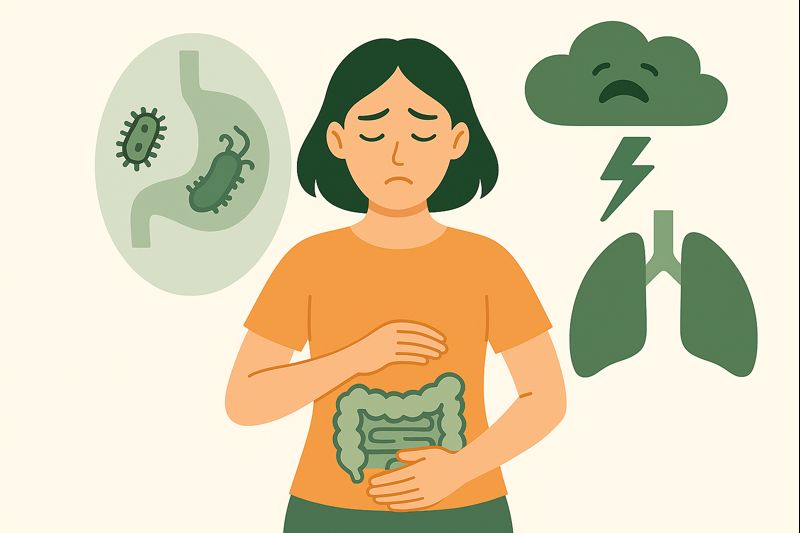
Anxiety is often thought of as something that begins in the mind, but research increasingly shows that it also begins in the gut. The digestive system and the brain are deeply connected through a network of nerves, hormones, and microbes that constantly communicate with each other. This connection — known as the gut-brain axis — plays a major role in emotional regulation, stress response, and overall mental well-being.
Studies published by Harvard Health, the National Institutes of Health, the American Psychological Association, and Stanford University reveal that gut bacteria influence mood, stress levels, inflammation, and even the production of neurotransmitters like serotonin and GABA. When the gut is imbalanced, anxiety often becomes more intense.
In this article, we’ll explore how gut health influences anxiety, the science behind the gut-brain axis, and practical steps to support both your digestive system and emotional well-being.
The Gut-Brain Axis: A Two-Way Communication System
The gut and brain are connected through a system called the gut-brain axis. This includes the vagus nerve, hormones, immune pathways, and millions of microbes that live in the digestive tract.
According to Harvard Health, this connection is so strong that the gut is sometimes called the “second brain.” It contains over 100 million neurons — more than the spinal cord — and communicates constantly with the central nervous system.
The gut-brain axis influences:
- Mood and emotional regulation
- Stress and inflammation levels
- Hormonal balance
- Digestive comfort or discomfort
- Immune function
This means digestive issues like bloating, gas, indigestion, or irregular bowel movements can impact mental health — and vice versa. If you’re working on stress management as well, you may find this helpful: The Stress Response: How It Works & What Helps.
The Role of the Microbiome in Anxiety
Trillions of bacteria, viruses, and fungi live in the digestive tract. Collectively, they form the gut microbiome — a complex ecosystem that affects digestion, immunity, and mental health.
Stanford researchers highlight that when the microbiome is balanced, the body can regulate stress more effectively. But when harmful bacteria outnumber beneficial bacteria, inflammation and anxiety often increase.
A healthy microbiome supports emotional well-being by:
- Producing neurotransmitters like serotonin and GABA
- Reducing inflammation that fuels anxiety
- Strengthening the gut barrier to prevent “leaky gut”
- Regulating cortisol, the stress hormone
In fact, Harvard Health reports that over 90% of serotonin — a key mood-regulating chemical — is produced in the gut, not the brain.
How Inflammation in the Gut Affects Anxiety
When the gut lining becomes irritated or inflamed, the immune system becomes activated. This inflammation doesn’t just affect digestion — it also affects the brain.
NIH studies show that chronic inflammation contributes to anxiety by altering neurotransmitter production and increasing oxidative stress. An inflamed gut can also weaken the vagus nerve’s calming signals, making the mind more reactive to stress.
Common causes of gut inflammation include:
- Highly processed foods
- Artificial sweeteners
- Chronic stress
- Alcohol
- Food sensitivities
Reducing inflammation can therefore directly support anxiety relief.
The Vagus Nerve: Your Gut’s Direct Line to the Brain
The vagus nerve plays a powerful role in anxiety. It helps regulate breathing, digestion, heart rate, and the stress response.
When the gut is inflamed or imbalanced, vagal tone decreases — meaning the body stays in fight-or-flight mode more often. This makes anxiety much harder to manage.
Stimulating the vagus nerve can improve both gut function and emotional balance. Practices like breathwork, mindfulness, and time in nature help increase vagal tone.
Learn more about grounding practices here: Daily Grounding Exercises.
Signs Your Gut May Be Contributing to Anxiety
Many people experience digestive symptoms long before noticing emotional changes. Common signs of gut imbalance include:
- Bloating or gas
- Constipation or diarrhea
- Indigestion
- Food sensitivities
- Frequent fatigue
- Brain fog
If these symptoms occur alongside anxiety or irritability, the gut-brain connection may be playing a role.
If brain fog is a concern, you may appreciate this article: Brain Fog Explained: Causes & Relief.
How Stress Impacts the Gut
Just as the gut can influence anxiety, anxiety can also influence the gut. The gut-brain axis works both ways.
Chronic stress affects the gut by:
- Slowing or speeding digestion
- Disrupting gut bacteria balance
- Weakening the intestinal barrier
- Increasing gut sensitivity
The APA reports that people with chronic stress are more likely to develop digestive issues like IBS — and IBS is strongly connected to anxiety. This creates a cycle where stress affects the gut, and the gut increases anxiety.
Food and Nutrients That Support Gut Health and Reduce Anxiety
Certain foods help feed beneficial bacteria and reduce inflammation, supporting both gut and mental health. Nutrient-rich foods also support neurotransmitter production, which can stabilize mood.
Helpful foods include:
- Probiotic foods: yogurt, kefir, sauerkraut, kimchi, miso
- Prebiotic foods: bananas, garlic, onions, oats, asparagus
- Omega-3 fatty acids: salmon, walnuts, flaxseeds
- Polyphenols: berries, green tea, olive oil, leafy greens
- Fiber-rich foods: fruits, vegetables, whole grains
These foods help nourish gut bacteria and reduce inflammation — both essential for calming anxiety.
If you’re exploring how nutrition affects mood, you may enjoy: Foods That Are Linked to Better Mood and Energy.
Habits That Improve Gut Health and Support Emotional Balance
Beyond food, lifestyle practices significantly shape gut health. Strengthening the gut-brain axis involves consistency rather than perfection.
Effective habits include:
- Reducing sugar intake
- Limiting alcohol
- Getting 7–9 hours of sleep
- Eating meals at regular times
- Managing stress through breathwork or meditation
- Spending time in nature
If you’re exploring how nature supports emotional balance, read: The Role of Nature in Reducing Stress.
The Role of Sleep in the Gut-Brain Connection
Sleep directly affects gut bacteria, and gut imbalances worsen anxiety that interrupts sleep — a two-way cycle.
Poor sleep contributes to:
- Inflammation
- Weakened gut barrier
- Blood sugar instability
- Increased cortisol
Supporting better sleep is a powerful way to improve emotional health and digestion.
You may find these resources helpful:
Sleep Hygiene Tips for a More Restful Night
Sound vs. Silence: What Helps People Sleep Better?
Gut Health, Hormones, and Anxiety
The gut plays a major role in regulating hormones that influence mood, including cortisol, serotonin, and estrogen. Imbalances in these hormones are linked to anxiety and emotional fluctuations.
When gut health improves, hormonal balance often improves as well.
This hormonal connection also explains why stress-management techniques like single-tasking and mindful breathing can improve digestion. Learn more here: The Power of Single-Tasking Over Multitasking.
How to Strengthen the Gut-Brain Axis
Supporting the gut-brain axis involves a combination of dietary choices, lifestyle habits, and stress-reducing practices.
Strategies include:
- Eating probiotic and prebiotic foods daily
- Drinking enough water for digestion
- Breathing practices to regulate the nervous system
- Reducing screen overload to lower stress
- Moving your body regularly
For help reducing screen-induced stress, see: Reducing Screen Time Without Feeling Deprived.
When to Seek Support for Gut or Anxiety Issues
If digestive discomfort or anxiety becomes chronic, it may be time to talk with a professional. A doctor, therapist, or nutrition specialist can help identify underlying causes and create an individualized plan.
You should seek guidance if you experience:
- Persistent digestive pain
- Frequent panic attacks
- Unexplained weight loss or severe bloating
- Debilitating anxiety that disrupts daily life
Final Thoughts
The connection between gut health and anxiety is powerful and well-documented. The microbiome, inflammation levels, immune system, and vagus nerve all influence emotional well-being. When the gut is nourished and balanced, the mind becomes more resilient, clearer, and calmer.
By improving gut health through food, lifestyle habits, and stress reduction, you support both your digestive system and your emotional stability.
More Wellness Resources:
Science-Backed Ways People Reduce Everyday Stress
How Some People Cope With Anxiety Without Medication