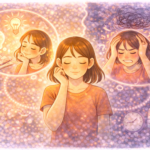
Emotional triggers are moments, words, situations, or behaviors that provoke a strong emotional reaction—often faster and more intensely than expected. These reactions can feel automatic, confusing, or even overwhelming. Self-awareness is the key skill that allows people to understand why triggers occur and how to respond more thoughtfully. Research from Harvard Health, the American Psychological Association, and the National Institutes of Health shows that increasing emotional awareness reduces stress reactivity and supports emotional regulation.
Emotional triggers are not signs of weakness. They are signals—pointing toward unmet needs, past experiences, or emotional patterns that deserve attention.
If you are already working on emotional balance, you may also find this helpful:
How to Respond Instead of React
What Are Emotional Triggers?
An emotional trigger is anything that activates an emotional response disproportionate to the present situation.
The reaction often feels immediate.
This is because triggers bypass conscious thought and activate emotional memory.
The body reacts before the mind evaluates.
Why Emotional Triggers Feel So Intense
Triggers activate the brain’s threat-detection system.
The amygdala responds before the rational brain has time to engage.
This creates a fight, flight, or freeze response.
NIH research shows that stress hormones amplify emotional reactions.
The Role of Past Experience
Many triggers are rooted in past experiences.
They may come from childhood, relationships, or unresolved emotional events.
The brain stores emotional memory to protect against future harm.
Triggers are often protective—just outdated.
Common Types of Emotional Triggers
Triggers vary widely, but common categories include:
- criticism or perceived judgment
- feeling ignored or dismissed
- loss of control
- conflict or confrontation
- feeling unsafe or unvalued
Understanding patterns helps reduce reactivity.
Triggers vs. Emotions
Triggers are not emotions themselves.
They are catalysts.
The emotion that follows—anger, sadness, fear, shame—is the response.
Separating trigger from emotion increases clarity.
Self-Awareness: The Foundation of Emotional Regulation
Self-awareness is the ability to observe internal experiences without judgment.
It allows space between stimulus and response.
APA research shows self-awareness improves emotional control.
Awareness creates choice.
How Self-Awareness Changes the Trigger Response
Without awareness, triggers lead to automatic reaction.
With awareness, triggers become information.
You begin to notice patterns rather than blame yourself or others.
This shift reduces emotional intensity.
Recognizing Trigger Signals in the Body
Triggers often show up physically first.
Common bodily signals include:
- tight chest
- clenched jaw
- shallow breathing
- racing heart
Body awareness helps intercept reactions early.
Pausing Before Reacting
Even a brief pause changes the outcome.
Pausing allows the rational brain to engage.
Breathing helps slow the nervous system.
Related reading:
Breathing Patterns to Calm an Anxious Mind
Labeling Emotions Reduces Their Power
Naming emotions activates the prefrontal cortex.
This reduces amygdala activation.
Harvard research shows emotional labeling lowers intensity.
Saying “I feel overwhelmed” is grounding.
Triggers and Thought Patterns
Triggers often activate distorted thoughts.
Examples include:
- “I’m not good enough”
- “This always happens”
- “They don’t respect me”
Recognizing thoughts prevents escalation.
Related reading:
How to Reframe Negative Thoughts
The Difference Between Reaction and Response
Reactions are fast and emotion-driven.
Responses are intentional and values-based.
Self-awareness creates the space to respond.
Related reading:
How to Respond Instead of React
Triggers in Relationships
Close relationships activate the deepest triggers.
This happens because attachment increases vulnerability.
Understanding triggers improves communication.
Related reading:
Listening Skills That Improve Connection
Self-Compassion and Triggers
Self-judgment intensifies triggers.
Self-compassion softens them.
Harvard research shows self-compassion reduces emotional reactivity.
Related reading:
Practicing Self-Compassion Daily
Journaling to Increase Trigger Awareness
Writing clarifies patterns.
Journaling questions include:
- What happened?
- What did I feel?
- What did I need?
Reflection transforms reaction into insight.
Related reading:
Journaling Prompts for Self-Discovery
Triggers and Stress Accumulation
Unmanaged stress lowers emotional tolerance.
Small triggers feel bigger.
Stress regulation supports emotional resilience.
Related reading:
Building Emotional Resilience
Setting Boundaries Around Triggers
Awareness helps identify when boundaries are needed.
Boundaries protect emotional energy.
Related reading:
When to Say “No” to Protect Your Peace
Triggers as Teachers
Triggers reveal unmet needs.
They point to growth opportunities.
Listening to them builds self-understanding.
Common Myths About Emotional Triggers
- Myth: Being triggered means you are weak
Reality: It means you are human - Myth: Triggers should be eliminated
Reality: They should be understood - Myth: Awareness stops emotions
Reality: It changes your response
When Triggers Feel Overwhelming
Some triggers are linked to trauma.
Professional support may be helpful.
Seeking help is a form of self-awareness.
Building Long-Term Self-Awareness
Self-awareness develops gradually.
Daily reflection strengthens insight.
Patience is essential.
Final Thoughts
Emotional triggers are not flaws.
They are signals asking for attention.
Self-awareness transforms triggers into insight.
With awareness, reactions soften.
Responses become intentional.
Understanding your triggers is not about control.
It is about compassion, clarity, and choice.
More self-awareness resources from MindBloomDaily:
Understanding Limiting Beliefs
Self-Reflection vs. Overthinking