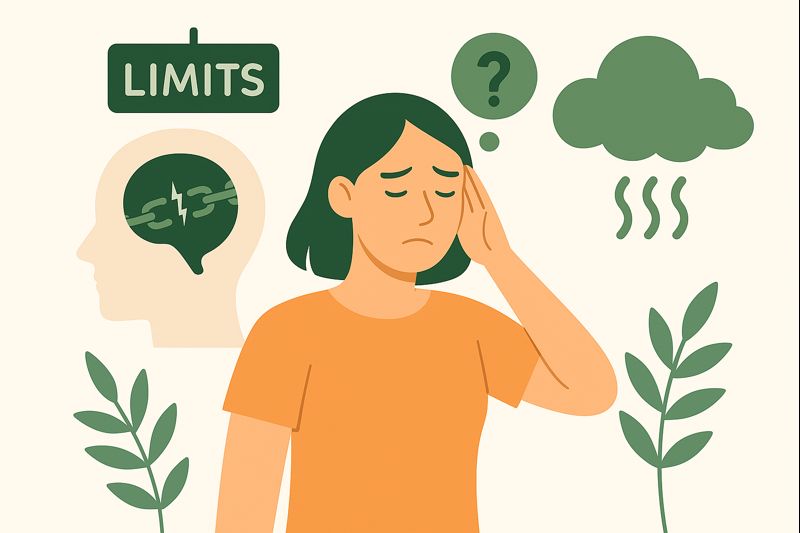
Limiting beliefs are the quiet stories we tell ourselves—often without realizing it—that restrict our potential, confidence, and emotional well-being. Psychology research from the American Psychological Association, the Harvard Medical School, and the Stanford University School of Psychology shows that beliefs formed through early experiences, social conditioning, and repeated thoughts can shape everything from confidence to decision-making to relationships.
Limiting beliefs influence how we see ourselves, what we think we deserve, and what we believe we’re capable of achieving. They often operate beneath conscious awareness, creating emotional resistance, fear, procrastination, or self-sabotage. Once identified, though, these beliefs can be rewritten—and that process opens the door to meaningful personal transformation.
This article explores how limiting beliefs form, how they influence daily life, the psychology behind them, and how to replace them with empowering, supportive beliefs that align with your growth.
What Are Limiting Beliefs?
Limiting beliefs are thoughts or assumptions that constrain your possibilities. They often start as a single experience or comment, but eventually become internal rules you follow without question.
Common examples include:
- “I’m not good enough.”
- “Things never work out for me.”
- “I can’t change who I am.”
- “I’m not the kind of person who succeeds.”
- “People will judge me if I try.”
- “I don’t deserve good things.”
These beliefs feel true because the brain tends to reinforce patterns it recognizes—even when they’re unhelpful. If you’re exploring thought patterns, consider reading:
How to Reframe Negative Thoughts
How Limiting Beliefs Form: What Psychology Reveals
Limiting beliefs can come from several sources, often rooted in psychology, memory, and environmental conditioning. Here are the most common origins:
1. Childhood Experiences
Many core beliefs form early in life. A single comment from a teacher, parent, or peer can shape how a child views themselves. For example, being told “you’re too sensitive” may evolve into a belief that emotional expression is a weakness.
Harvard research shows that the brain internalizes patterns from early experiences, creating the foundation for adult thought habits.
2. Social Conditioning
Culture, family expectations, and social roles can impose beliefs that limit individuality. For instance, someone raised in an environment where emotional expression was discouraged may adopt the belief that vulnerability is unsafe.
3. Past Failures or Painful Experiences
The mind is designed to avoid pain. When failure or rejection occurs, the brain may create beliefs intended to “protect” you from experiencing similar discomfort in the future, even if those beliefs hold you back.
4. Repetition of Negative Thoughts
Stanford studies show that thoughts gain power through repetition. The more often a belief is repeated, the more deeply it becomes wired into the brain’s neural pathways.
If you want to dig deeper into thought patterns, try:
Self-Reflection vs. Overthinking
How Limiting Beliefs Influence Your Life
Limiting beliefs don’t just shape thoughts—they shape behaviors, emotions, decisions, and relationships. Here’s how they impact everyday life:
1. They Influence Self-Confidence
If someone believes they’re “not capable,” they may avoid opportunities entirely, even when they have the skills needed.
2. They Create Fear of Failure
Limiting beliefs amplify fear, making it hard to take risks or pursue meaningful goals.
3. They Affect Relationships
Beliefs like “I’m too much” or “I’m unlovable” can make people withdraw emotionally or tolerate unhealthy dynamics.
4. They Lead to Self-Sabotage
When subconscious beliefs conflict with conscious goals, actions often undermine progress—for example, procrastination, abandoning goals, or avoiding responsibility.
5. They Shape Long-Term Identity
Over time, repeated limiting thoughts can become part of your self-concept, making them even harder to identify or challenge.
If identity plays a role in your growth, journaling can help. Try:
Journaling Prompts for Self-Discovery
Common Limiting Beliefs—and What They Really Mean
Here are some widely held limiting beliefs, along with what they often mask beneath the surface:
- “I’m not ready yet.” — Often masks fear of imperfection.
- “I don’t have time.” — Sometimes avoids deeper discomfort or fear of failure.
- “I’m just not the type of person who can do that.” — Reflects identity-based limitations.
- “Success is for other people.” — Indicates past experiences shaping expectations.
- “I’m afraid people will judge me.” — Points to a fear of vulnerability or rejection.
Understanding what lies beneath a belief is the first step to dissolving it.
The Psychology of Changing Limiting Beliefs
Changing beliefs doesn’t happen overnight. It requires awareness, intention, repetition, and emotional curiosity. According to research from Stanford psychologist Carol Dweck and studies published by APA, belief change involves three steps:
1. Awareness
You cannot change what you cannot see. Identifying limiting beliefs brings them into conscious awareness, allowing you to question their validity.
2. Cognitive Reframing
Reframing helps replace negative or rigid beliefs with balanced, realistic, and empowering alternatives.
3. Behavioral Reinforcement
New beliefs require evidence. Acting in alignment with the new belief—one small step at a time—helps solidify it in the brain.
If you’re building resilience and confidence, you may like:
Building Grit: What Psychology Says
How to Identify Your Own Limiting Beliefs
Self-discovery practices make belief identification easier. Try these questions:
- What am I afraid will happen if I try?
- What recurring negative thoughts do I have about myself?
- What do I avoid—and why?
- What patterns keep showing up in my relationships?
- Where do I feel stuck?
If a belief repeats itself in your mind, it is worth exploring.
Tools to Replace Limiting Beliefs with Empowering Ones
Here are psychology-backed tools for belief transformation:
1. Journaling
Writing helps interrupt repetitive thoughts and bring clarity. Journaling prompts for uncovering limiting beliefs include:
- “What belief about myself causes me the most stress?”
- “Where did this belief come from?”
- “What evidence do I have that challenges this belief?”
2. Reframing the Narrative
Instead of thinking “I can’t do this,” try:
“I can learn this step-by-step.”
Reframing transforms self-criticism into self-support.
3. Exposure to New Experiences
Taking small, intentional risks helps challenge beliefs rooted in fear or avoidance.
4. Mindfulness
Mindfulness helps notice thoughts without becoming attached to them. This separation makes limiting beliefs feel less powerful.
To explore mindfulness techniques, try:
What Is Mindfulness and How to Start?
5. Strengthening Self-Compassion
APA research shows that self-compassion helps weaken harsh internal beliefs by creating emotional safety. When you treat yourself with empathy, old narratives soften.
If you want to build this skill, consider:
Practicing Self-Compassion Daily
6. Challenging Assumptions
Ask yourself:
- “Is this belief based on facts or fear?”
- “Would I say this to someone I love?”
- “What might life look like without this belief?”
Challenging assumptions opens the mind to new possibilities.
How Limiting Beliefs Affect Relationships
Limiting beliefs influence how people communicate, connect, and set boundaries. For example:
- Believing “I’m too much” may lead to shrinking your needs.
- Believing “I don’t deserve good relationships” may result in tolerating unhealthy behavior.
- Believing “People always leave” can create emotional walls.
Healthy connections require self-awareness—and belief work is part of that foundation. To strengthen communication skills, you may enjoy:
Listening Skills That Improve Connection
The Link Between Limiting Beliefs and Anxiety
Limiting beliefs often become automatic thought patterns that trigger anxiety. Beliefs like “I can’t handle this” or “Something will go wrong” activate the body’s stress response.
According to NIH research, cognitive reframing and emotional awareness significantly reduce belief-driven anxiety.
For additional support in this area, explore:
Breathing Patterns to Calm an Anxious Mind
How to Break Free from Limiting Beliefs: A Step-by-Step Process
Here is a simple, psychology-backed approach to belief transformation:
Step 1: Name the Belief
Write it down without judgment.
Step 2: Question the Evidence
What moments contradict this belief?
Step 3: Identify the Source
Where did this belief originate—childhood, culture, fear, or a past experience?
Step 4: Create a New Belief
Choose a belief that supports growth, such as:
“I am capable of learning new things.”
Step 5: Reinforce the New Belief Through Action
Take small steps that align with the new belief. Action rewires the brain.
If habit-building is part of your growth, explore:
Time Management Tips That Actually Work
Final Thoughts
Limiting beliefs shape how you see yourself—but they are not permanent truths. They are stories built from past experiences, emotional patterns, and moments of vulnerability. With awareness, compassion, and intentional mindset work, you can rewrite these internal narratives into beliefs that support your growth, confidence, and emotional freedom.
The process takes time, but each step you take strengthens your inner resilience and brings you closer to the life you want to create.
More self-awareness resources from MindBloomDaily:
Journaling Prompts for Self-Discovery
The Role of Self-Talk in Confidence