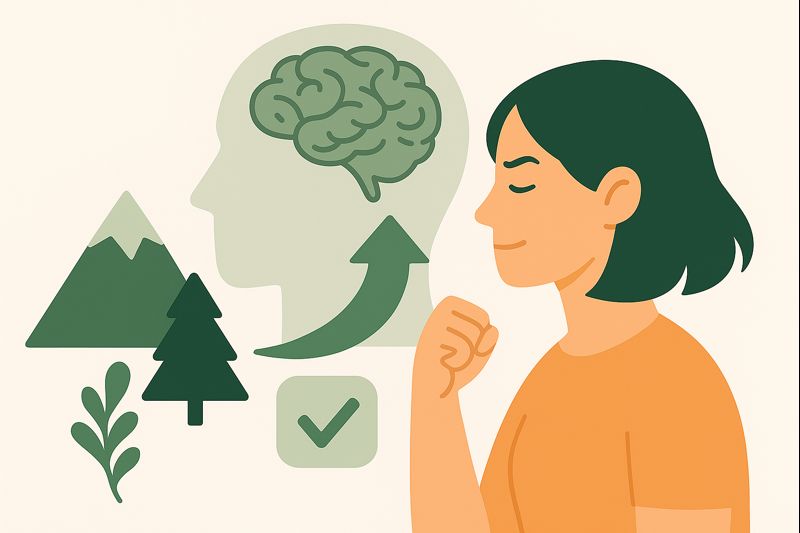
Grit is one of the strongest predictors of long-term success—often more influential than intelligence, talent, or natural ability. Research from psychologist Angela Duckworth, along with studies published by the American Psychological Association, the Harvard Medical School, and the Stanford University School of Psychology, shows that grit—the combination of passion and sustained perseverance—is a critical component of personal growth and achievement.
Grit is not about pushing yourself to exhaustion or ignoring your well-being. Instead, it is about showing up consistently for what matters, even when progress feels slow, difficult, or uncertain. It is emotional endurance, mental resilience, and dedication rolled into one.
This article explores what psychology reveals about grit, how it develops, what strengthens it, and how you can cultivate more perseverance in your own life—whether in career goals, relationships, personal growth, or emotional well-being.
What Exactly Is Grit?
Angela Duckworth, a leading researcher in grit, defines it as “passion and perseverance for long-term goals.” It’s the ability to stay committed to something over time—not just because it’s exciting in the beginning, but because it aligns with your sense of purpose.
Grit is made up of two core components:
- Consistency of passion: staying connected to what matters to you over time.
- Perseverance of effort: continuing to work toward your goals even through setbacks and difficulty.
People with grit don’t rely solely on motivation; they build habits and mental structures that keep them moving forward. If you’re also exploring habit-building, you may like:
The 2-Minute Rule: Start Small, Stay Consistent
Why Grit Predicts Success: What Research Shows
Psychology consistently shows that grit is a better predictor of long-term outcomes than talent alone. Duckworth’s studies across universities, military academies, and workplaces reveal that grit strongly correlates with:
- Academic achievement
- Professional success
- Skill mastery
- Physical endurance
- Emotional resilience
Harvard’s research on perseverance echoes these findings: people who stay committed to meaningful long-term goals experience greater life satisfaction, improved emotional regulation, and stronger mental well-being.
But grit is not fixed. It can grow significantly over time—and that is where psychology offers practical insights.
How Grit Develops: The Psychological Ingredients
There is no single path to grit. Instead, it grows through a combination of mindset, habits, environment, and emotional skills. Here are the psychological factors that most strongly contribute to grit.
1. Growth Mindset
Stanford psychologist Carol Dweck’s research shows that people who believe abilities can be developed—rather than being fixed—are more likely to persist through challenges.
Growth mindset fuels grit by reminding you that every effort, struggle, and failure contributes to improvement.
If you’re exploring mindset further, see:
How to Reframe Negative Thoughts
2. Purpose and Meaning
People are more likely to persevere when their goals feel connected to something larger than themselves—personal values, identities, or long-term visions.
Purpose transforms effort into dedication. Without purpose, grit becomes draining; with purpose, grit becomes energizing.
3. Emotional Regulation
Grit requires the ability to manage frustration, doubt, and disappointment. Studies from APA emphasize that emotional regulation—pausing before reacting, processing emotions, shifting perspective—supports resilience during setbacks.
To strengthen emotional regulation, you may find this helpful:
Breathing Patterns to Calm an Anxious Mind
4. Consistency and Routine
Consistency fuels grit far more than intensity. Small repeated actions—even 5 minutes a day—build momentum and discipline. Structure helps the brain stay focused and reduces emotional resistance to showing up.
To build stronger routines, consider:
Creating a Personal Focus System
5. Supportive Environment
Your environment influences your perseverance. Surrounding yourself with people who encourage effort, learning, and growth increases grit; environments that shame failure weaken it.
Relationships that model resilience also help strengthen your own perseverance.
If you’re reflecting on relationships, explore:
Listening Skills That Improve Connection
Common Misconceptions About Grit
Despite its popularity, grit is often misunderstood. Here are three misconceptions psychology helps clarify.
Myth 1: Grit means never resting
Not true. Rest is essential for perseverance. Sustainable grit includes recovery, boundaries, and pacing—not burnout.
Myth 2: Grit is just about working harder
Grit is more about working longer and more consistently—not about intensity or overexertion.
Myth 3: Grit is inherited
Psychology shows grit is largely learned, shaped by experience, mindset, and intentional choices.
Psychology-Backed Ways to Build More Grit
If grit is a skill, not a trait, the question becomes: how do you strengthen it? Here are evidence-based strategies supported by psychological research.
1. Commit to Long-Term Goals
Choose goals that excite you emotionally—not goals you feel pressured to adopt. Grit grows when your goals reflect your identity and values.
Ask yourself:
- “Would I still want this in five years?”
- “Does this align with the person I’m becoming?”
If you’re exploring identity or future self, you may also enjoy:
Journaling Prompts for Self-Discovery
2. Practice Showing Up—Even When It’s Boring
Gritty people embrace the parts of progress that feel repetitive or slow. They know mastery comes through small, unglamorous steps repeated over time.
Try doing a small version of your goal consistently. Even two minutes counts. (The 2-Minute Rule pairs beautifully with this approach.)
3. Develop “Rebound Skills” After Setbacks
Setbacks are not a sign you should quit—they are part of the process. Psychology shows that people with grit bounce back by:
- Reframing failure as learning
- Breaking goals into smaller steps
- Seeking support or mentorship
Resilience isn’t avoiding challenges—it’s integrating them into growth.
4. Celebrate Effort, Not Just Results
The brain responds to reward. When you acknowledge effort—journaling progress, celebrating consistency, or tracking small wins—motivation strengthens naturally.
Self-compassion also plays a major role here. If you want to strengthen this skill, read:
Practicing Self-Compassion Daily
5. Build Identity-Based Habits
Grit becomes stronger when your habits align with who you want to be. For example:
- Instead of “I want to run 5 km,” try “I’m becoming someone who prioritizes fitness.”
- Instead of “I want to read more,” try “I’m someone who learns every day.”
Identity creates consistency—consistency builds grit.
How Grit Supports Mental Health
Grit is not just a performance skill—it’s also an emotional skill. Research from Harvard and APA shows that grit supports mental health by:
- Providing stability during stressful times
- Strengthening emotional boundaries
- Increasing sense of control and purpose
- Reducing overwhelm through focus and clarity
- Enhancing self-confidence through long-term follow-through
Grit helps regulate the stress response because long-term commitment reduces uncertainty—the brain’s primary source of anxiety.
If stress management is something you’re exploring, consider:
The Stress Response: How It Works & What Helps
Grit in Daily Life: Practical Examples
You don’t need a massive goal to practice grit. Everyday choices build perseverance. Here are examples of grit in simple, daily situations:
- Continuing a new habit even when motivation fades
- Staying committed to personal boundaries in relationships
- Returning to a project after frustration or failure
- Choosing long-term well-being over instant gratification
- Showing patience during slow progress
Grit grows through repetition—each small act becomes a vote for your future self.
How to Stay Motivated While Building Grit
Motivation naturally fluctuates. Grit relies on something more stable: structure, habits, and emotional clarity. Here are psychological strategies to stay connected to your goals:
- Reconnect with your “why” — Remind yourself why this goal matters.
- Use accountability — Share your goals with someone supportive.
- Create small wins — Break tasks into manageable steps.
- Track progress — Celebrate consistency, not perfection.
- Rest intentionally — Restoration is part of perseverance.
Final Thoughts
Grit is not about pushing yourself endlessly or ignoring your emotional needs—it’s about aligning your actions with what truly matters to you. Psychology shows that perseverance, meaning, mindset, and emotional resilience work together to create long-term success and fulfillment.
You don’t need to transform overnight. Grit grows slowly, through small decisions made consistently. Every time you choose to show up—despite doubt, fear, boredom, or setbacks—you strengthen the part of yourself that believes you are capable of becoming who you want to be.
More mindset and resilience resources:
Understanding Limiting Beliefs
Self-Reflection vs. Overthinking