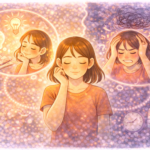
Emotional resilience is not about avoiding stress or staying positive at all times. It is the ability to adapt, recover, and remain grounded when life presents uncertainty, pressure, or emotional challenges. Research from Harvard Medical School, the American Psychological Association, the National Institutes of Health, and Stanford University shows that emotional resilience is a learnable skill—not a fixed personality trait.
People with higher emotional resilience experience stress differently. They still feel difficult emotions, but they recover faster, maintain perspective, and respond more thoughtfully rather than reactively.
If you are already working on emotional balance, you may also find this helpful:
How to Respond Instead of React
What Is Emotional Resilience?
Emotional resilience is the capacity to cope with emotional stress, adapt to change, and recover from adversity.
It does not eliminate emotional pain.
Instead, it allows you to move through difficult emotions without becoming overwhelmed or stuck.
Harvard research shows that resilient individuals use flexible coping strategies rather than rigid emotional suppression.
Why Emotional Resilience Matters
Life includes uncertainty, loss, conflict, and pressure.
Without resilience, these experiences accumulate and lead to burnout or emotional exhaustion.
APA research links emotional resilience to better mental health, stronger relationships, and improved physical wellbeing.
Resilience protects long-term emotional health.
Resilience Is Not Emotional Toughness
Many people confuse resilience with emotional hardness.
True resilience includes emotional awareness, flexibility, and self-compassion.
Suppressing emotions weakens resilience over time.
NIH-supported studies show that emotional suppression increases stress responses.
The Role of Emotional Awareness
Resilience begins with awareness.
Recognizing emotions without judgment allows regulation.
Stanford research shows that labeling emotions reduces their intensity.
Awareness creates choice.
Understanding Emotional Triggers
Triggers activate strong emotional responses.
They often reflect past experiences or unmet needs.
Recognizing triggers helps prevent reactive behavior.
Related reading:
Emotional Triggers and Self-Awareness
Emotional Regulation and Resilience
Emotional regulation is the ability to manage emotional responses.
Resilient people regulate emotions rather than suppress them.
APA research shows that regulation improves stress recovery.
This includes calming the nervous system when emotions rise.
Breathing as a Resilience Tool
Slow, controlled breathing activates the parasympathetic nervous system.
This reduces emotional intensity.
NIH research supports breathing techniques for stress regulation.
Related reading:
Breathing Patterns to Calm an Anxious Mind
The Importance of Cognitive Flexibility
Cognitive flexibility allows perspective shifts.
Rigid thinking increases emotional distress.
Stanford studies show flexible thinking supports emotional resilience.
Reframing experiences reduces emotional strain.
Related reading:
How to Reframe Negative Thoughts
Self-Compassion Strengthens Resilience
Self-compassion reduces emotional self-criticism.
Harvard research shows self-compassion improves emotional recovery.
Treating yourself with kindness supports resilience.
Related reading:
Practicing Self-Compassion Daily
Stress Recovery vs Stress Avoidance
Resilience is about recovery, not avoidance.
Avoiding stress weakens adaptive capacity.
NIH research shows controlled exposure combined with recovery builds resilience.
Recovery matters more than elimination.
Building Resilience Through Routine
Daily habits shape emotional capacity.
Sleep, movement, nutrition, and routine support emotional regulation.
Consistency builds a stable foundation.
Related reading:
Mental Clarity Morning Routine
Social Support and Emotional Resilience
Connection strengthens resilience.
APA research shows supportive relationships buffer emotional stress.
Healthy communication reduces emotional isolation.
Related reading:
Listening Skills That Improve Connection
Setting Boundaries to Protect Emotional Energy
Boundaries prevent emotional overload.
Harvard research links boundary-setting to reduced stress.
Protecting emotional energy supports resilience.
Related reading:
When to Say “No” to Protect Your Peace
Emotional Resilience in Difficult Relationships
Resilience does not mean tolerating harm.
It means responding with clarity and self-respect.
Assertive communication supports emotional safety.
Related reading:
Assertive vs. Aggressive Communication
Digital Overload and Emotional Resilience
Excessive digital input increases emotional fatigue.
Protecting mental energy supports emotional regulation.
Related reading:
Protecting Your Mental Energy Online
Learning From Emotional Setbacks
Setbacks are part of growth.
Resilient individuals extract insight rather than self-blame.
Reflection supports adaptation.
Resilience Is Built Gradually
Emotional resilience develops over time.
Small daily practices accumulate.
Patience strengthens capacity.
Common Myths About Emotional Resilience
- Myth: Resilient people don’t feel pain
Reality: They recover more effectively - Myth: Toughness equals resilience
Reality: Flexibility does - Myth: Resilience is fixed
Reality: It is learnable
When Emotional Resilience Feels Low
Low resilience often follows prolonged stress.
Rest, support, and reduced demands help rebuild capacity.
Self-judgment slows recovery.
Making Emotional Resilience a Practice
Resilience grows through repetition.
Daily awareness, regulation, and compassion build strength.
Progress is not linear.
Final Thoughts
Building emotional resilience is about learning how to stay present, flexible, and grounded in the face of life’s challenges.
It does not require eliminating discomfort.
It requires learning how to move through it with clarity and self-respect.
Emotional resilience is not about being unbreakable.
It is about knowing how to rebuild.
More emotional wellbeing resources from MindBloomDaily:
How to Respond Instead of React
Practicing Self-Compassion Daily